
The Cat's Pajamas · Look inside
Look inside
The full introduction, then the first two chapters, then a look at what is in every chapter.
Introduction
Why Cats Rule the World
Cats never conquered humanity. That would have required effort. They accomplished something far more impressive: they persuaded humanity to do all the work, and to feel grateful for the privilege.
Consider the arrangement with a clear eye. Humans build the houses and buy the food. Humans pay the veterinary bills and clean the litter boxes. Humans purchase the climbing towers, the heated beds, the gourmet pâté, the scratching posts and the elaborate electronic toys, and then watch, defeated, as the animal settles instead into the cardboard box the toys arrived in. In exchange the cat offers occasional companionship and a degree of executive oversight that consists almost entirely of staring. If this were a business, the investors would be asking pointed questions.
Dogs, to their credit, chose an honest strategy. A dog looks at the human who feeds it, shelters it, and adores it, and concludes: you must be a god. A cat, presented with precisely the same evidence, reaches the opposite verdict: I must be a god. Both positions have their defenders. Only one of the two parties has been proven, over several thousand years, to be a reliable closer.
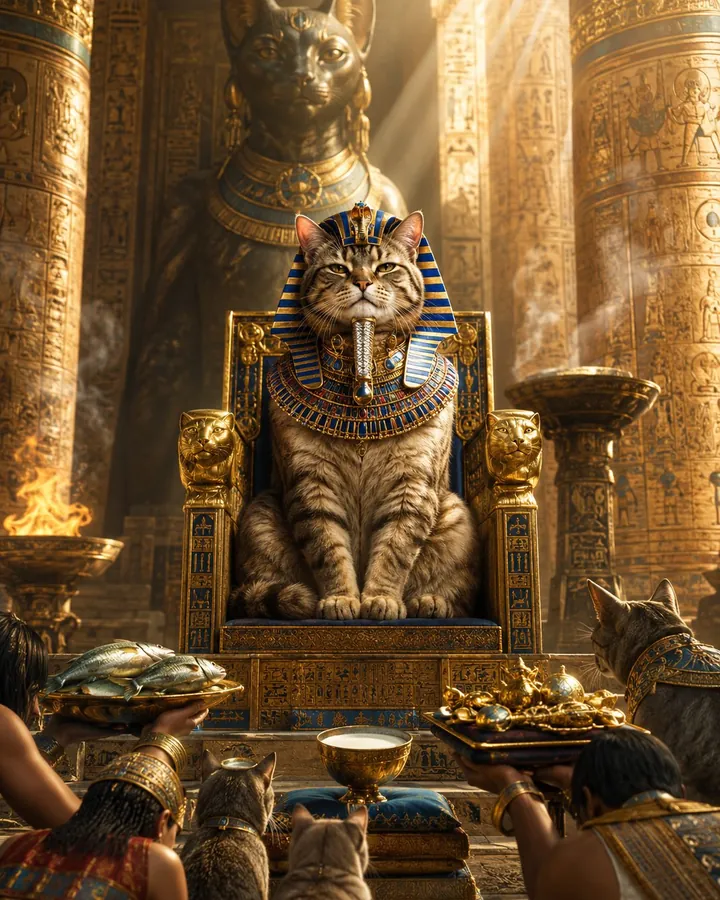
The cat has held this rank before, and held it officially. In ancient Egypt the animal was not merely tolerated but venerated, sacred to Bastet, the goddess of home, fertility and protection, and mourned at its death by a household that shaved its own eyebrows in grief. To kill a cat, even by accident, could cost a person their life. Cats were embalmed by the hundreds of thousands and sent into the afterlife alongside their owners, on the sensible assumption that no eternity worth having would be a catless one. For a few glorious centuries, the cat was a god with paperwork.
It has never entirely accepted the demotion. The modern cat fancier is simply an Egyptian priest with better plumbing. We have traded the temple for the living room and the ritual offerings for the treat drawer, but the essential posture is unchanged: a human arranging their home, their furniture and their affections around a small carnivore that has done nothing to earn any of it except exist beautifully. The temple cats of Bubastis are gone; the pedigree shows and the rescue Instagram accounts have taken their place. The incense has changed. The god has not.
The historians, for their part, offer a tidier account. The partnership, they say, began when early farmers started storing grain; the grain drew mice, the mice drew cats, and humans noticed the arrangement was useful. The official version is that we domesticated them. The cats have never publicly endorsed this account, and their silence on the subject is, frankly, a little suspicious.
There is also a stranger theory, and it begins, of all places, in the litter box. Cats are the one essential host of a single-celled parasite, Toxoplasma gondii, which completes its life cycle in the feline gut and is shed into the world by the only route available to it. Researchers studying infected rodents noticed something unnerving: the parasite appears to blunt a mouse's instinctive terror of cats, nudging the rodent toward the very predator it ought to be fleeing. The parasite, in short, quietly edits its host's behavior in its own favor, steering dinner gently toward the table.
The uncomfortable footnote is that people can carry it too, and we most often acquire it from the litter box we so dutifully scoop. A substantial share of the human population already tests positive. Whether the parasite tilts our judgment the way it tilts the mouse's is still debated by careful scientists with careful caveats, and no one reputable suggests the cat planned any of it. And yet the situation, stated plainly, is this: the animal has arranged a world in which its devoted servants handle its waste by hand, and may be receiving, in exchange, a microscopic adjustment to the very brains making the decisions. No serious researcher believes a cat engineered that. It would be ridiculous. It is merely the sort of thing that keeps happening to people who live with cats.
Whatever the mechanism, the results are not in dispute. Cats have achieved something no lion, tiger or leopard ever managed: they conquered the English language. We have fat cats and cool cats and copycats, scaredy-cats and cat burglars, catnaps and catfights and cat's-paws. The cat gets our tongue. Somebody lets it out of the bag. And when the weather turns truly biblical, it rains cats and dogs. For animals that sleep sixteen hours a day, they have been astonishingly productive, which is the entire subject of this book and the reason it exists.
They make such good idioms because they make such good metaphors. A cat is affectionate until it isn't, independent until dinner, fearless until confronted by a cucumber, and dignified until the precise instant it misjudges a jump. We recognize ourselves in every one of those contradictions. We too are brave one moment and ridiculous the next; we too crave attention while elaborately pretending we don't. The phrases in this book mention cats, but the subject, almost always, is us, our vanity and our luck, our fears and our ambitions, our mistakes and our occasional accidental flashes of wisdom. The cat simply wandered into the language, stole the spotlight, and made itself the star of the show. As usual.
That may be its single greatest talent. Not hunting, not climbing, not landing on its feet, but marketing. No other creature has persuaded millions of intelligent adults to find it charming to be ignored. A dog greets you as though you have returned alive from a war. A cat greets you as though weighing whether the interruption was strictly necessary, and somehow this is the one we write the poems about.
Perhaps the cat simply remembers something we keep forgetting: that not everything needs to be optimized, that not every moment must be productive, and that not every setback is a crisis. Sometimes the correct response to life is curiosity. Sometimes it is patience. Very often it is a nap. The cat has practiced this philosophy for thousands of years while we attend the seminars and launch the podcasts, and it is difficult, surveying the results, to insist that ours is the better method.
Find the warm patch of sunlight. Eat when hungry, sleep when tired, ignore the unnecessary drama, and decline, always, to explain yourself. The cats have been observing us for millennia and have kept their conclusions strictly to themselves, which is almost certainly for the best. If they ever told us plainly what they make of us, we might not enjoy hearing it.
Fortunately, they have no intention of explaining. They're asleep. Again.
Contents
Six to nine idioms in each chapter. Chapters 1 and 2 are open to read.
Chapter 1
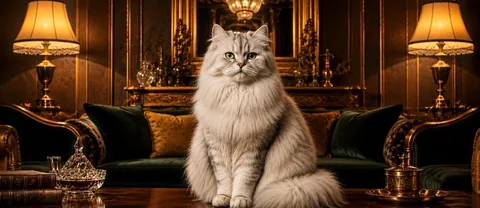
Pure Class
Style, confidence, and being effortlessly the best
- The Cat's Pajamas
- The Cat's Meow
- The Cat's Whiskers
- Cool Cat
- Catwalk
- Purring Like a Kitten
Chapter 2
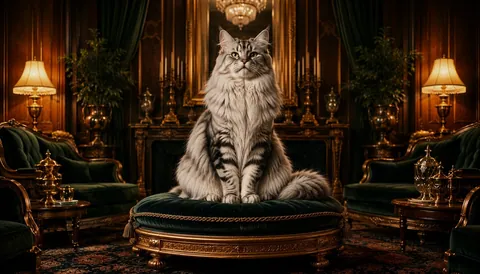
Sitting Pretty
Status, advantage, and the satisfaction of winning
- Top Cat
- Fat Cat
- Catbird Seat
- Grin Like a Cheshire Cat
- Cat Got the Cream
- Cat That Ate the Canary
Chapter 3
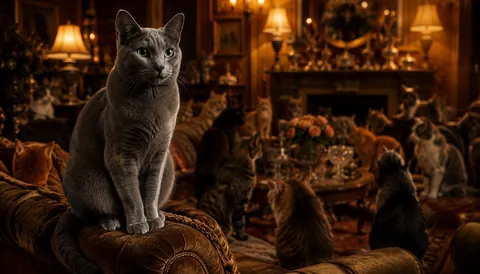
Reading the Room
Leadership, personalities, and human nature
- Copycat
- Catty
- Catcall
- Like Herding Cats
- Sweeten the Kitty
- A Cat May Look at a King
Chapter 4
The Waiting Game
Strategy, patience, timing, and maneuvering
- More Than One Way to Skin a Cat
- Cat Burglar
- Cat's Cradle
- Bell the Cat
- Cat on the Fence
- Pussyfoot Around
Chapter 5
Always Land
Resilience, agility, recovery, and survival
- A Cat Has Nine Lives
- Land on Your Feet
- Cat-Like Reflexes
- Cat Nap
- Cat-Footed
- Cat on a Hot Tin Roof
Chapter 6
Need to Know
Curiosity, secrets, risk, and revelation
- When the Cat's Away
- Curiosity Killed the Cat
- Cat in the Bag
- Let the Cat Out of the Bag
- Cat Got Your Tongue?
- Cat's Eye View
Chapter 7
How It Falls
Fortune, misfortune, surprises, and appearances
- Not a Cat's Chance in Hell
- By a Whisker
- Cat's Paw
- Raining Cats and Dogs
- A Cat in Gloves (Catches No Mice)
- Which Way the Cat Jumps
Chapter 8
Off the Leash
Freedom, temptation, influence, and untamed instinct
- Catnip
- Sex Kitten
- Alley Cat
- Tomcat
- Wildcat
- Hellcat
- No Room to Swing a Cat
Chapter 9
9 Lives
Lifestyles of the anonymous, glamorous and pussilanimous
- Stray Cat
- Cat's Mother
- Glamour Puss
- Pussy
- Crazy Cat Lady
- Pussy-Whipped
- Scaredy-Cat
- Pussycat
- Sourpuss
Chapter 10
Claws Out
Conflict, rivalry, and picking fights
- Look What the Cat Dragged In
- Cat and Mouse
- Catfight
- Cat Among the Pigeons
- Fight Like Cats and Dogs
- Like a Scalded Cat
Chapter 11
The Big Cats
What the great cats teach us
- Lion's Share
- Lionhearted
- Tiger by the Tail
- Eye of the Tiger
- Paper Tiger
- Leopard Can't Change Its Spots
The Cat's Pajamas is now on Kindle and in paperback.
Paperback on Amazon Kindle edition on Amazon About the bookCat idiom mugs and tees
Cat sayings on mugs and tees.
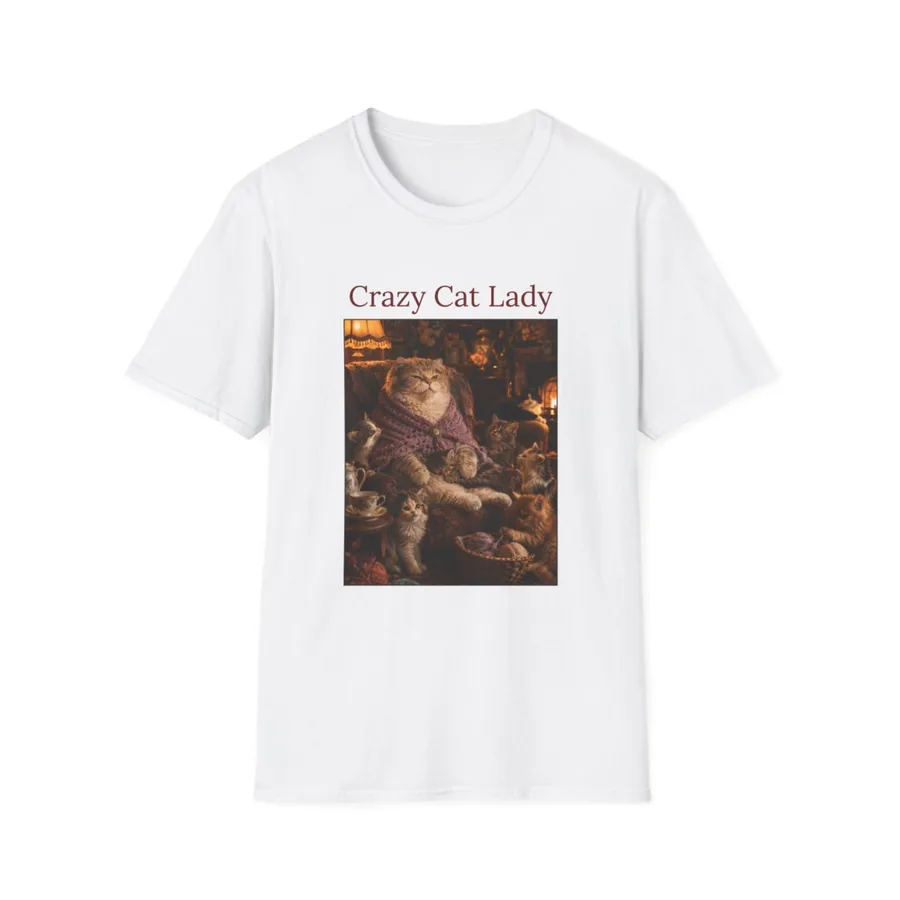 Crazy Cat Lady
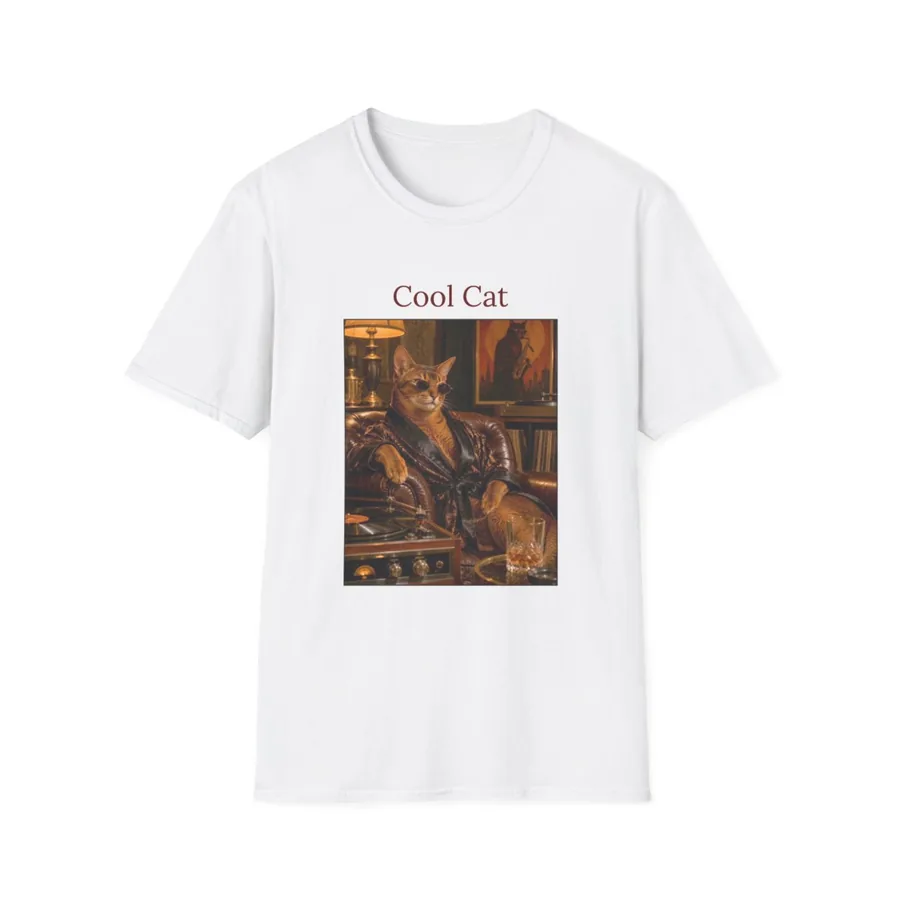 Cool Cat
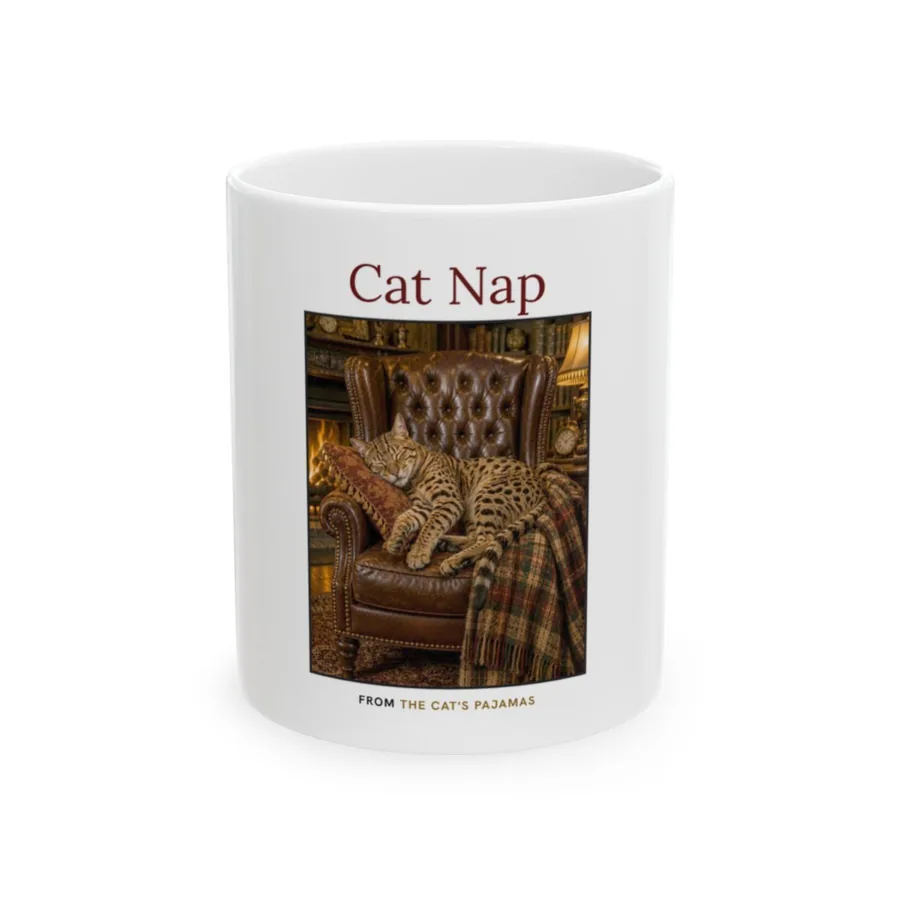 Cat Nap
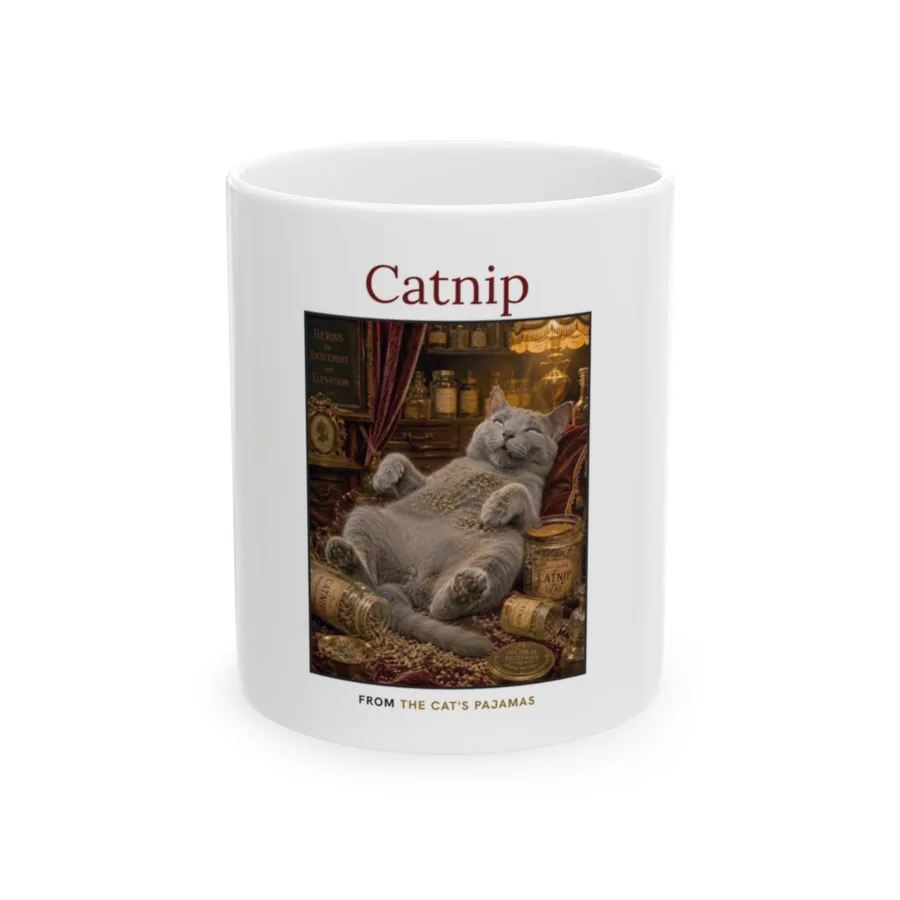 Catnip
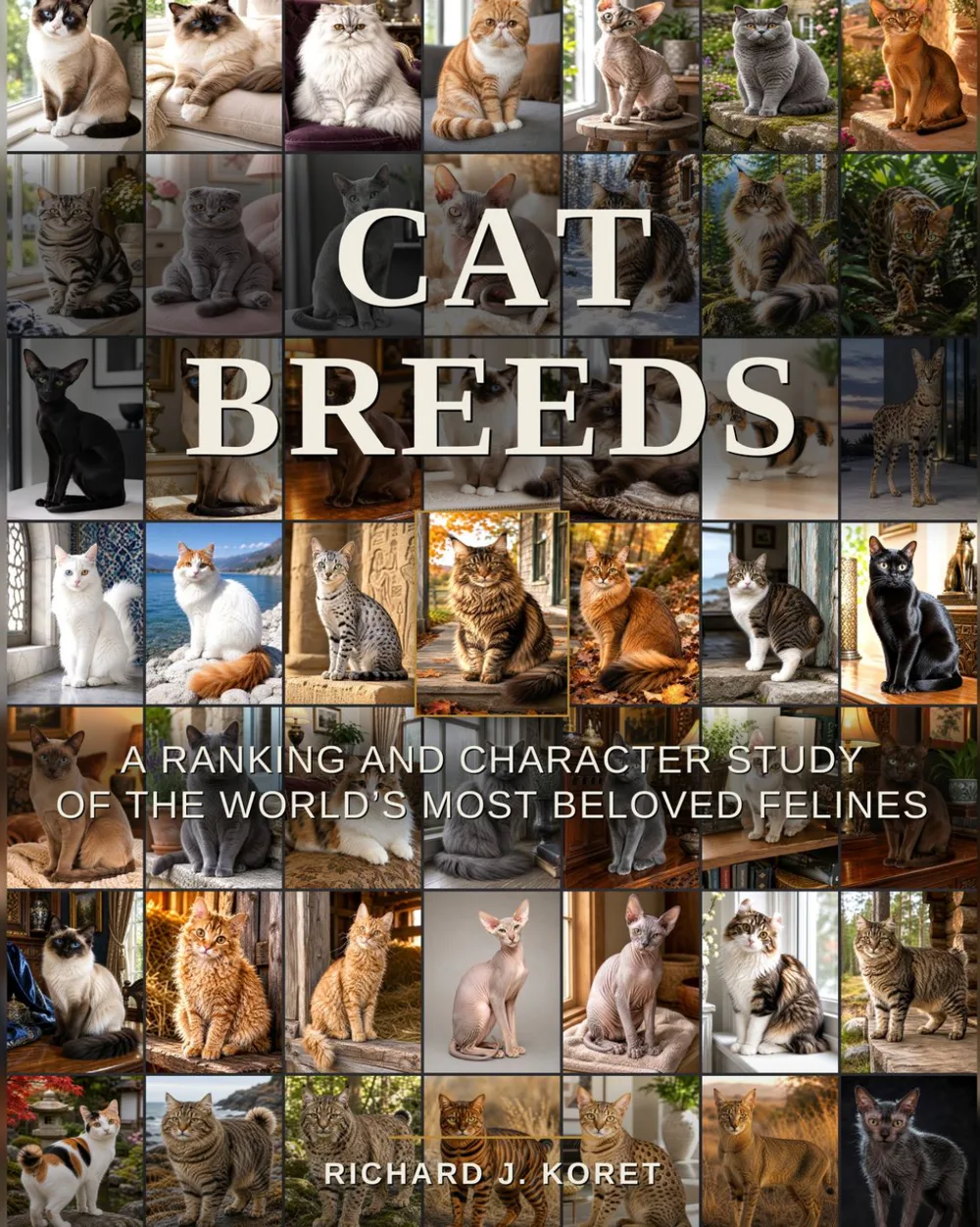 Cat Breeds
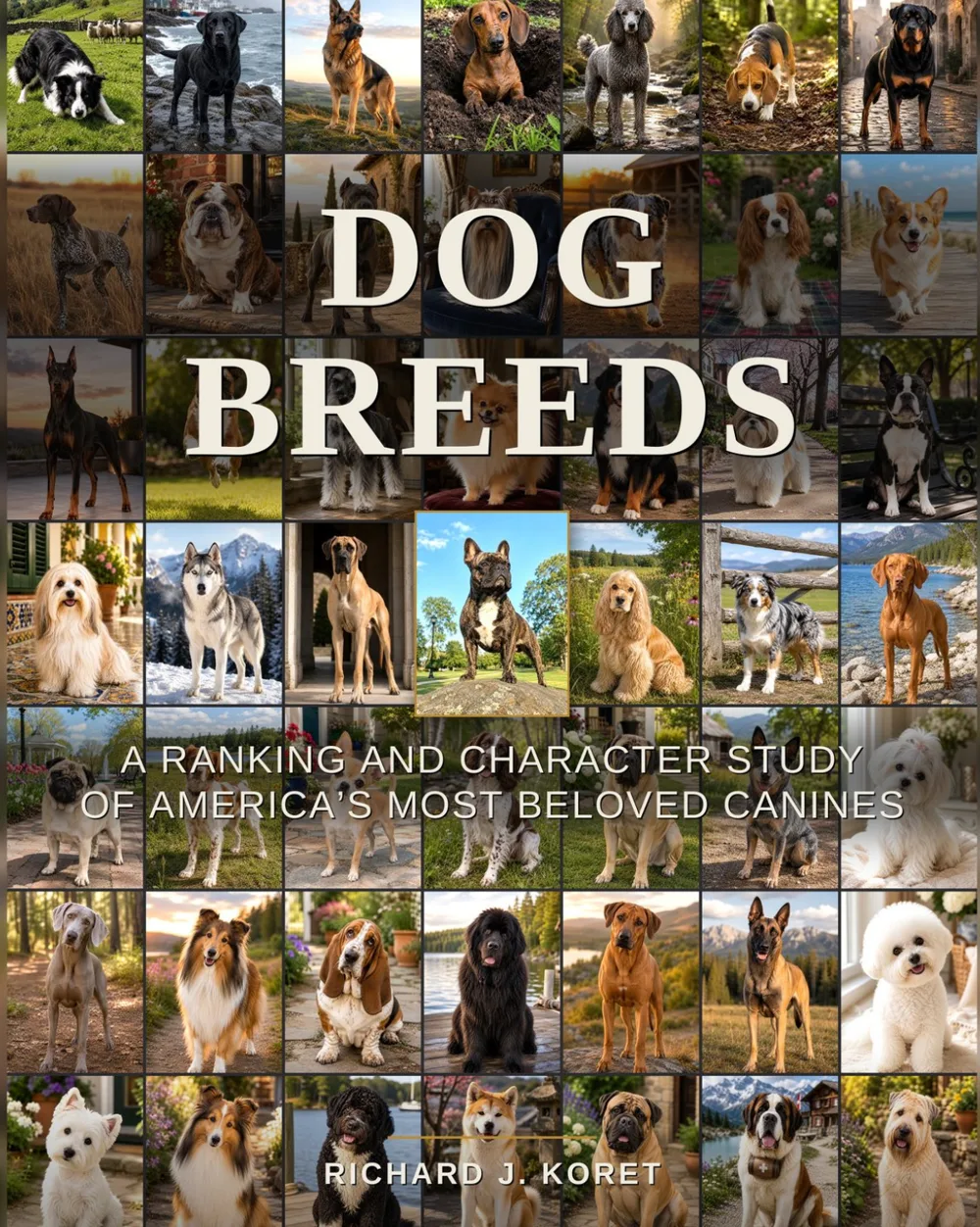 Dog Breeds
 Every Dog Has His Day
 Every Bitch Has Her Way