
Every Dog Has His Day · Look inside
Chapter 2: Between Bark and Bite
Use the arrows or your keyboard to turn the pages.
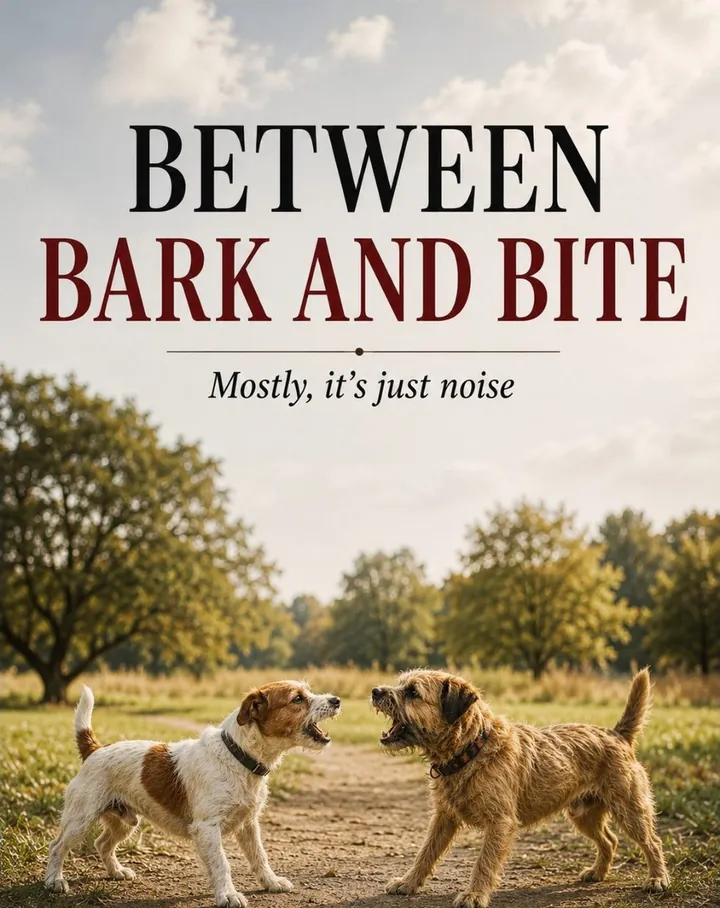
Chapter 2
Between Bark and Bite
Mostly, it's just noise
Some dogs bite. Most would rather not.
English noticed early and built a whole shelf of phrases around noise that costs nothing—the barking dog, the barking order, the dog barking up the wrong tree.
People, like dogs, prefer a fighting sound to an actual fight. Noise is cheaper. Noise marks territory. Noise buys time to decide on something with teeth.
A bark can warn, threaten, impress, or just fill a silence that was becoming unbearable. Managers bark. Neighbors bark over fences. Panels of experts bark at one another on television every night and settle nothing by morning.
Biting is rarer.
The gap between sounding dangerous and being dangerous is what matters. The quietest dog in the yard is the one to watch. The loudest is frightened, or bored, or fond of the sound leaving its mouth.
A bark stops a stranger at the gate. Wakes a house. Rallies the gang. What’s behind it is another question.
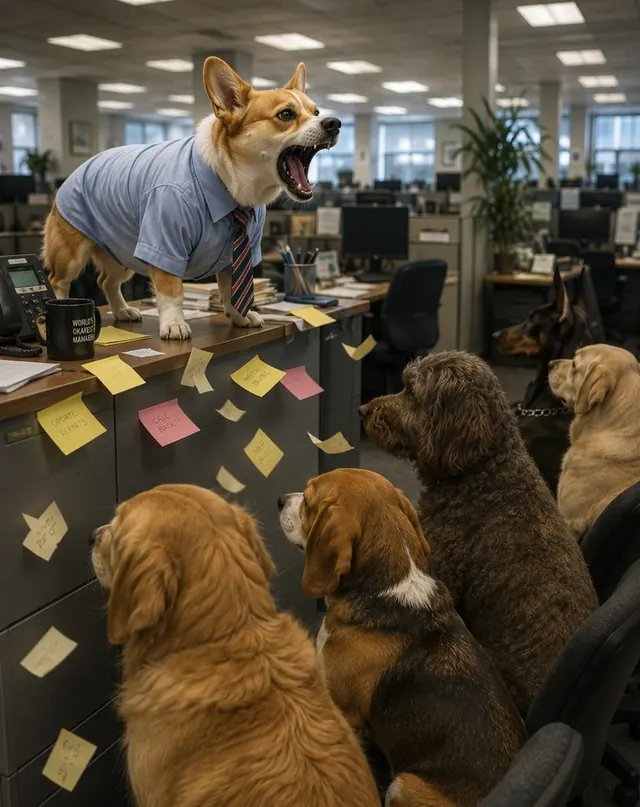
Barking Orders
Volume mistaken for command
To bark orders is to command in short, hard bursts—no please, no preamble, no interest in whether you've been understood, only in whether you've been obeyed. The word does the work itself. Bark: abrupt, mechanical, more noise than meaning.
The military gave the phrase its parade-ground polish, but it broke loose fast—into kitchens, factories, film sets, Little League dugouts. Anywhere a hierarchy forms, someone mistakes volume for command.
Dogs bark from alarm, from excitement, from the certainty that this patch of floor is theirs. People do the same and call it leadership.
The barking boss believes decibels produce deeds. A thing said loudly becomes a thing more likely to happen. It may even work for a while.
Fear is efficient in the short run.
Then those that stick around learn to look attentive while hearing nothing.
The orders keep coming. The room stops listening.
25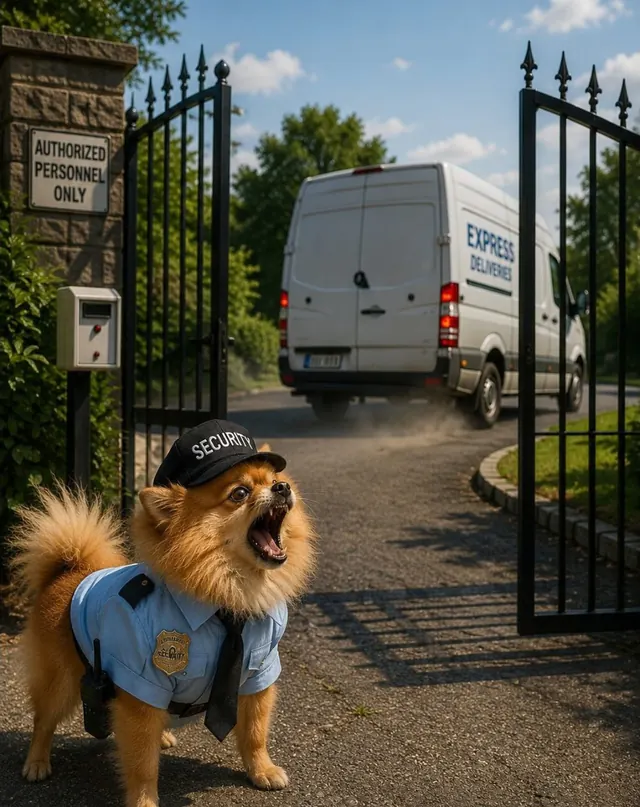
Bark Worse Than Bite
Loud, mostly harmless
Some creatures specialize in theatrical menace. English keeps a phrase on hand to forgive them.
His bark is worse than his bite describes the loud warning, the dire promise of consequences, then a moment in which remarkably little happens.
The genuinely dangerous watch and wait. The ineffectual one is heard down the street.
One described this way may be tiresome, overbearing, but probably not a threat.
Parents Say it of grandfathers. Staff say it of bosses.
Even the thunderstorm only wanted to be heard.
27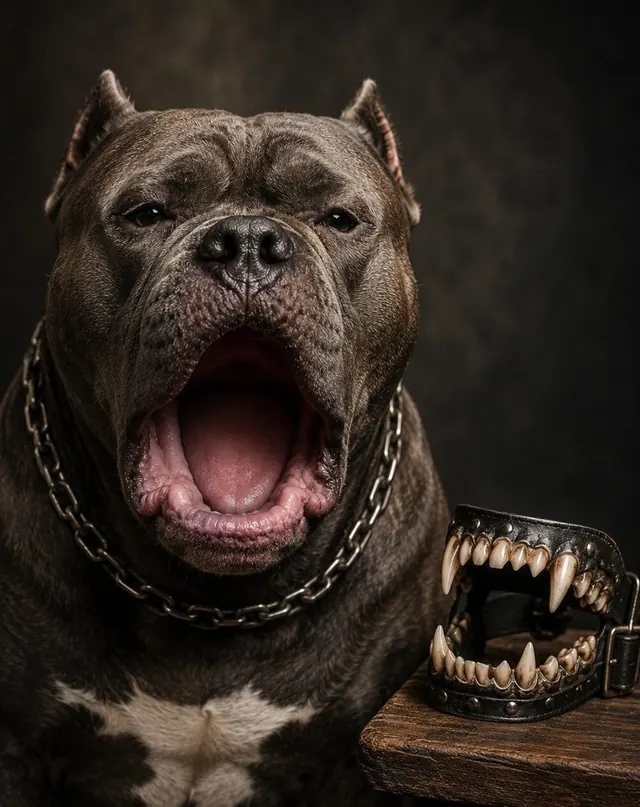
All Bark and No Bite
Threat you can take off
This expression cuts no slack.
His bark is worse than his bite grants that some bite exists, under the racket. All bark and no bite withdraws even that.
Some teeth are put on. Every society manufactures paper tigers.
They threaten lawsuits they will never file. They start fights they can’t finish.
All talk. No action.
A small dog hurls itself against a fence because the fence is there to stop it.
Barriers make courage possible.
People are bravest from a distance, too—the unsigned memo, the locked account, the post written at midnight to millions of strangers.
Barking is like most storms. Vast weather systems of feigned outrage drift by without felling a tree or breaking a window.
The caravan moves on.
29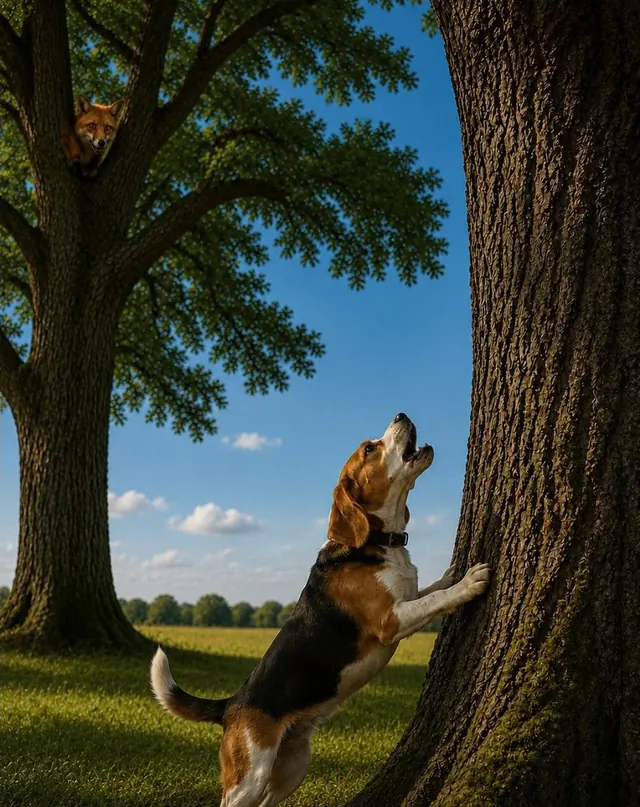
Barking Up the Wrong Tree
Certain, and certainly wrong
The phrase comes from hunting dogs making fools of themselves in the dark.
A hound would chase its quarry to a tree, plant itself at the trunk, and bay upward at the branches long after the animal had slipped down the far side and gone. All that conviction, aimed at the wrong timber—while the fox watches, dry-eyed, from the next tree over.
It entered American speech in the early nineteenth century, when the frontier ran on hunting. Now it fits the mistaken accusation, the doomed investigation, the confident theory marching hard the wrong way.
Detectives bark up the wrong tree. So do prosecutors, jealous spouses, and relatives building a case across the holiday table. Every one of them on a wild goose chase run at full voice.
Error is rarely quiet. People are loudest when most certain and most wrong.
Volume gets mistaken, by the barker, for proof. The hound at the empty tree is completely convinced of his truth.
That is his mistake, and his quarry’s good fortune.
31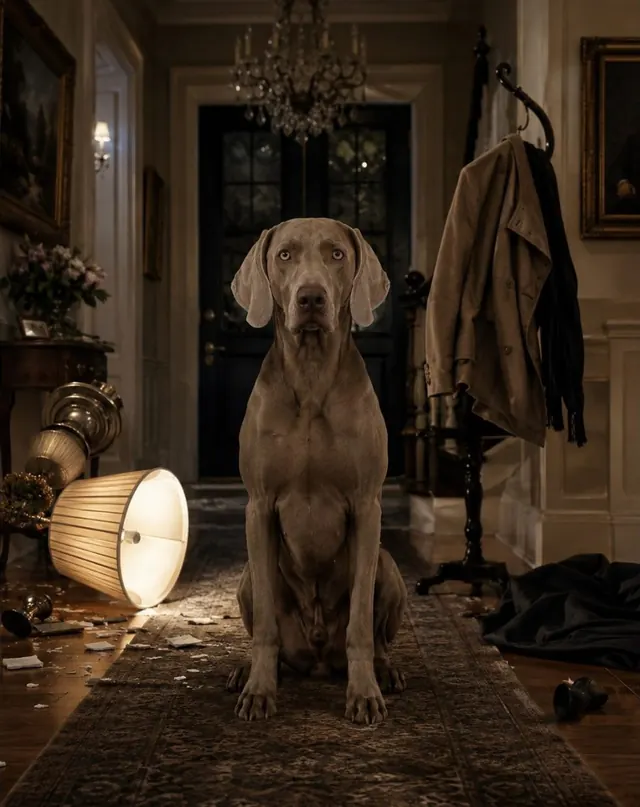
The Dog Who Didn’t Bark
The telling silence
Most idioms describe something happening. This one points to the clue where the expected doesn’t happen.
It comes from Arthur Conan Doyle. In “Silver Blaze,” Sherlock Holmes breaks the case due to a dog that stayed quiet through the night. It should have barked at a stranger.
That told him the intruder was someone the animal knew.
The expression marks a reaction that should have come but didn't. It is akin to a deafening silence, conspicuous by its absence.
Most people notice what happened. The attentive notice what does not.
That is the rarer kind of attention.
33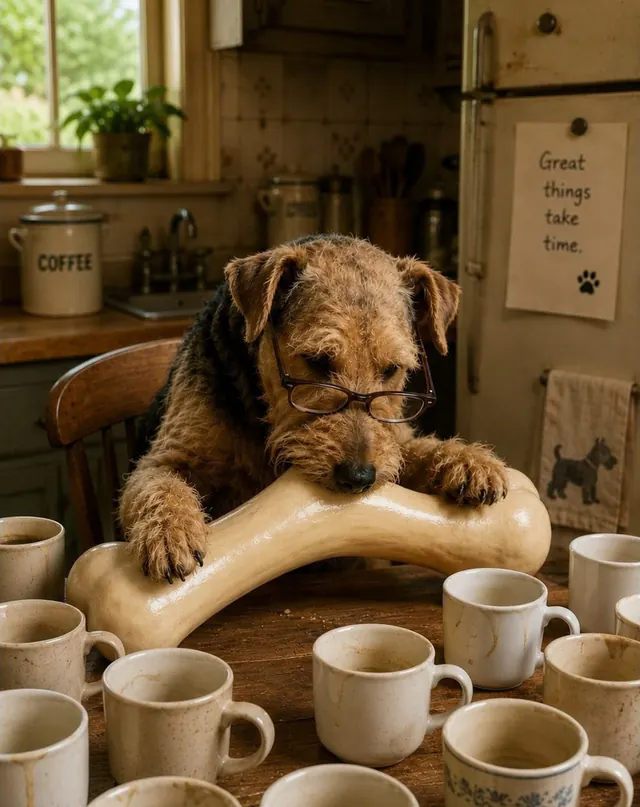
Like a Dog With a Bone
Unable to let go
Some pursuits stop being reasonable long before they stop being energetic.
A dog with a bone is wholly possessed by it. It gnaws past hunger, past flavor, until the gnawing itself is the point. He has been at this a while, and intends to be at it longer.
The phrase fits the person who cannot release an argument, a suspicion, a slight from years ago dragged back into daylight. The reporter who will not drop the story. The colleague relitigating a decision everyone else has forgotten.
It carries admiration and exhaustion in one breath. The same refusal that cracks the cold case and frees the innocent man also keeps a dinner table hostage until midnight.
Terriers wear it best. Small dogs have always made up the difference with sheer refusal.
Some people simply will not let go. Long after there is anything left to chew.
35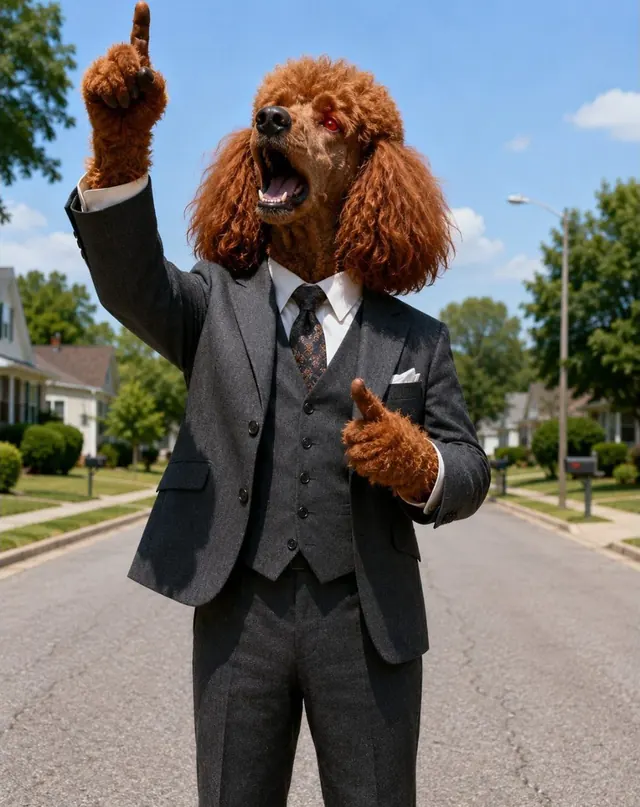
Barking Mad
Cheerfully unhinged
English owns a great many words for madness. Barking mad may be the most good-humored of them.
It marks behavior past the reach of ordinary description—not merely eccentric but fully across the line into the absurd, and somehow delighted to be there.
Why barking? Because the frantic kind is contagious and unanswerable. One dog starts at midnight for no reason anyone can name, and within minutes half the county has joined a chorus with no cause and no conductor.
The phrase is distinctly British, distinctly twentieth-century, and softened by affection. The barking mad are alarming and, at the same time, the best entertainment for streets around. The English prefer to meet insanity with understatement.
History does, now and then, reward the barking-mad idea—the scheme everyone declared impossible until it wasn’t.
Which only encourages the next one.
37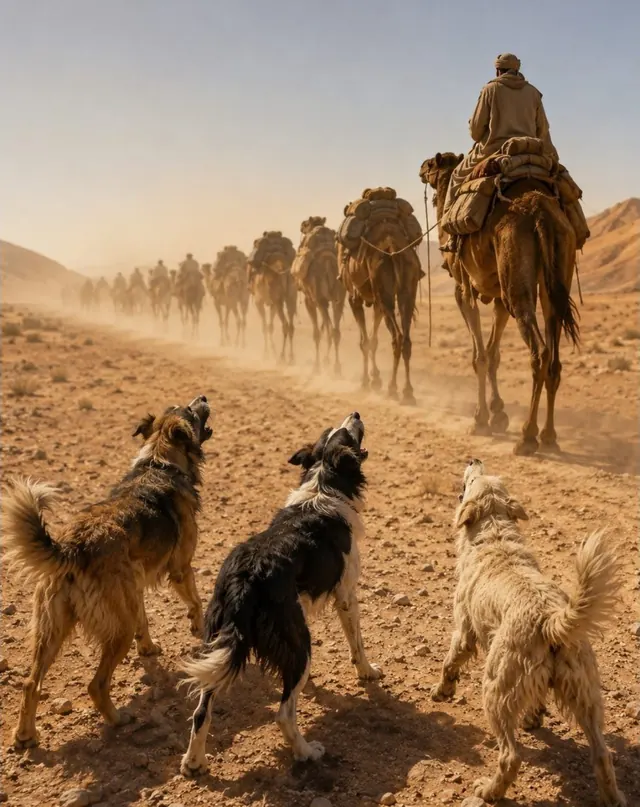
The Dogs Bark, the Caravan
Moves On
Noise the powerful ignore
Object as loudly as you like. It does not stop or even slow the inevitable.
The proverb is Turkish and it carries the dust of the old trade routes.
It came into English by way of travelers. It delivers the same verdict every time.
The weak make noise. The strong have somewhere to be.
Critics bark. Rivals bark. The barking is ignored by the
powerful, not affecting them more than water running off a duck’s back.
There is discipline as much as arrogance. Not every protest earns a reply. Not every insult is worth the turn of a head.
Warrior Ariel Sharon liked the line. It suited the way he moved. Until the caravan passed him by too.
39Dog idiom mugs and tees
Dog sayings on mugs and tees.
 Top Dog
 Top Dog
 In the Doghouse
 Hot Dog
 Cat Breeds
 Dog Breeds
 The Cat's Pajamas
 Every Bitch Has Her Way