
Every Dog Has His Day · Look inside
Chapter 1: It Shouldn't Happen to a Dog
Use the arrows or your keyboard to turn the pages.
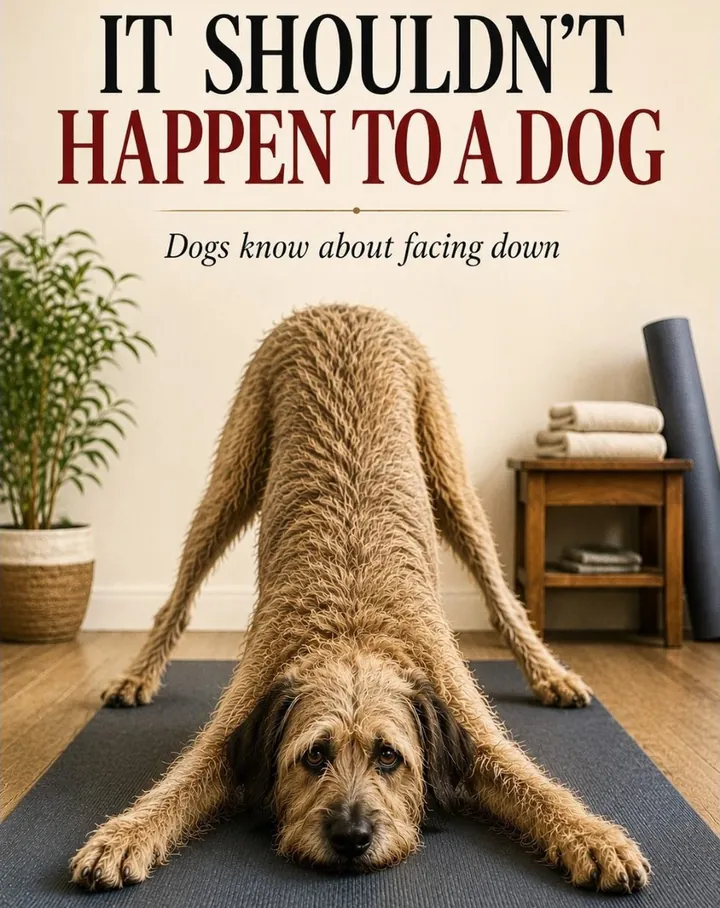
Chapter 1
It Shouldn't Happen to a Dog
Dogs know about facing down
Every language builds a vocabulary for defeat. English handed much of that work to dogs.
Not the heroic dog of the children’s story. Not the groomed champion at Westminster. The wet dog in the rain. The stray beside the alley. The animal asleep under the table after following somebody too far for too long.
People lived beside dogs long enough to recognize themselves.
Dogs droop when ashamed. They limp when tired. They retreat with the tail tucked under. They do not hide much, and we noticed.
English rarely names suffering outright. It circles first— through jokes, through animals. A man looks hangdog after failure. Another comes home with his tail between his legs. A third wakes feeling like something the dog dragged in.
The body knows first.
And under the insults runs sympathy. English mocks people with dogs and loves them anyway. The dog waits outside the door. Follows the losing army. Endures bad owners, and keeps hope it has no business keeping.
When we needed a word for shame, we looked down.
The dog was already there.
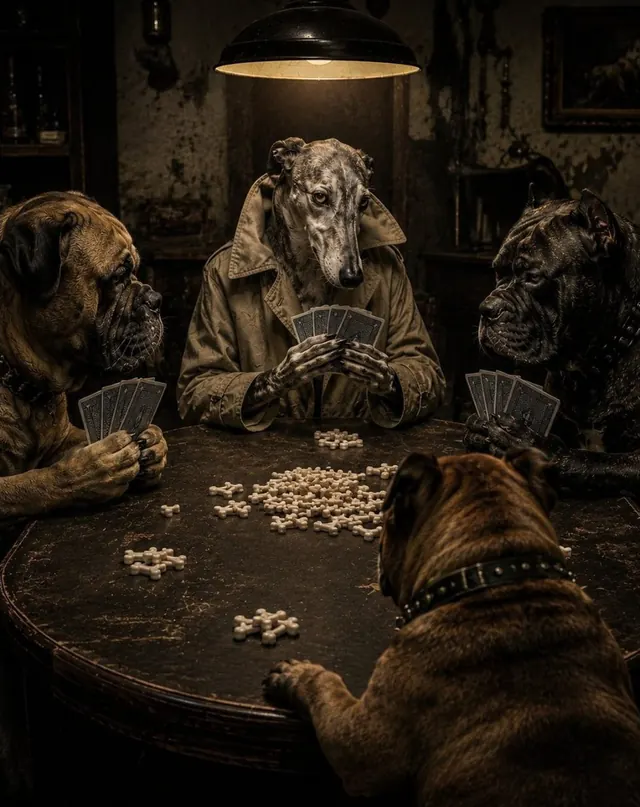
Dirty Dog
A cheat with charm
A dirty dog cheats. At cards, at business, at love—wherever trust can be spent, he spends yours and keeps the change.
The phrase comes from a harder world, where dogs scavenged the street and survived however they could. To call a man a dog already set him low. Dirty finished the sentence.
Yet the insult keeps a little warmth. He is a rogue more than a villain—the gambler, the seducer, the opportunist with terrible judgment and excellent timing. He is no snake in the grass, and nowhere near a straight shooter. Better company than either.
Every Western ever filmed knew him on sight. He deals from the bottom of the deck, sells the lame horse, kisses the schoolteacher and robs the bank the same afternoon. When a saloon went quiet and somebody muttered you dirty dog, the room already knew which man would draw, and that he would draw early.
The difference between the dog and the man is shame. A dog caught in the wreckage at least turns its head away.
The dirty dog looks you in the eye and asks what’s wrong.
7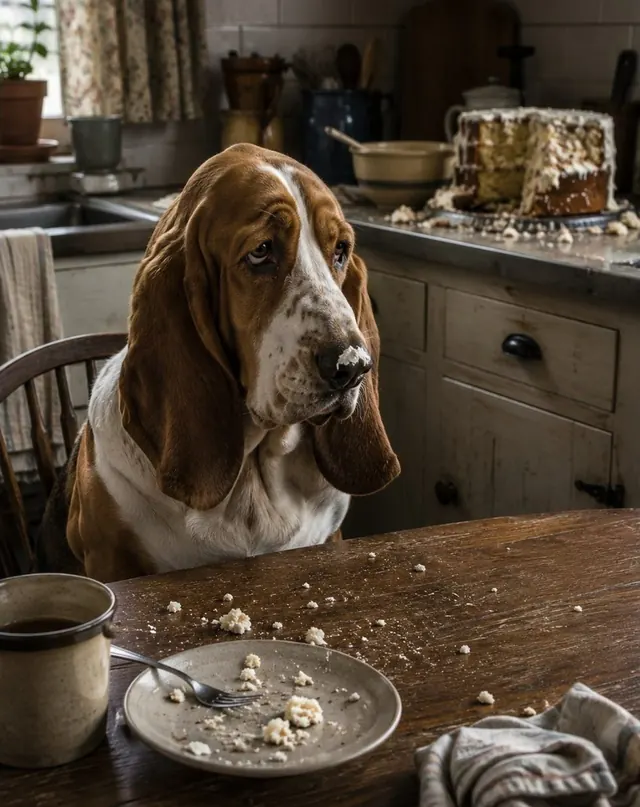
Hangdog
Caught, and showing it
Some words need no defining. Hangdog is one.
The look arrives before the explanation—head down, eyes sliding off yours, the whole face folding toward the floor. A dog wears it the instant before you find what it did. So does a man.
The word was crueler once. It meant a wretch fit for the gallows, or the man hired to hang the dogs. Time softened it into something sadder.
It keeps company with sheepish and crestfallen, but neither droops so far. A sheepish man can still meet your eye. The hangdog man cannot.
Newspapers reach for it when a disgraced official leaves the building slower than he entered, collar up, saying nothing.
It belongs to the aftermath. After the argument. After the failure. After the message that should never have been sent, and certainly not to everyone.
The mouth stays shut.
The face talks anyway.
9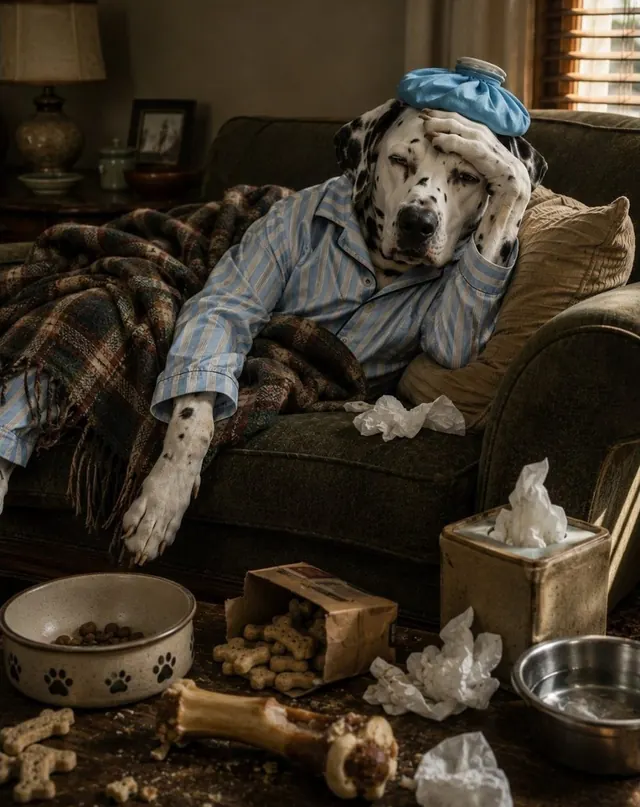
Sick as a Dog
Wretched, and not hiding it
English rarely settles for moderate illness. It prefers collapse.
To be sick as a dog is to be flattened, miserable, astonished that ordinary life has turned on you. The phrase lives in plain speech, where exaggeration rings truer than precision.
Why the dog? Because a sick dog suffers without disguise. It droops. It staggers to a corner. It looks up with wounded disbelief, as if you might fix what the world has done. We know the posture; it is ours.
The language offers gentler options—under the weather, laid low. Both sound survivable. None carries the full-body surrender of sick as a dog; right as rain it is not. You can hear the groan inside the words.
The phrase outlasted every change. We fed them better than ourselves, let them onto the bed—and still reached for the old insult the moment our own stomachs turned.
No creature looks more sincerely amazed by illness than a dog —except a grown man with food poisoning at three in the morning, certain that he is dying.
11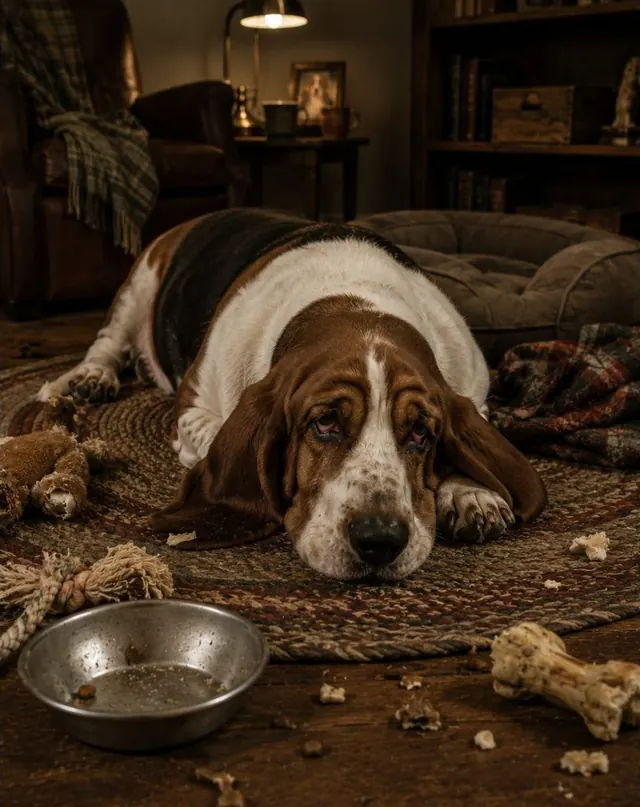
Dog-Tired
Emptied to the bone
Some kinds of tiredness deserve a gentle word. This is not one.
Dog-tired is the heavy, shapeless exhaustion that arrives after too much work, too little sleep, too many days carrying things nobody noticed were heavy. It goes to the bone and sits there, somewhere past run ragged and dead on your feet.
The working dog earned the phrase. Farm dogs, sled dogs, sheepdogs, hunting dogs—centuries of animals that lived by our schedules instead of their own.
A truly tired dog strikes no pose and asks for no sympathy. It drops where it stands and is asleep before it lands.
The exhaustion is psychological now—open inboxes, lit screens, the meeting that could have been an email. Different weight. Same posture afterward.
Whatever it is, it is not bright-eyed and bushy-tailed. A tired dog lies down. It has the sense to.
A tired man opens another tab.
13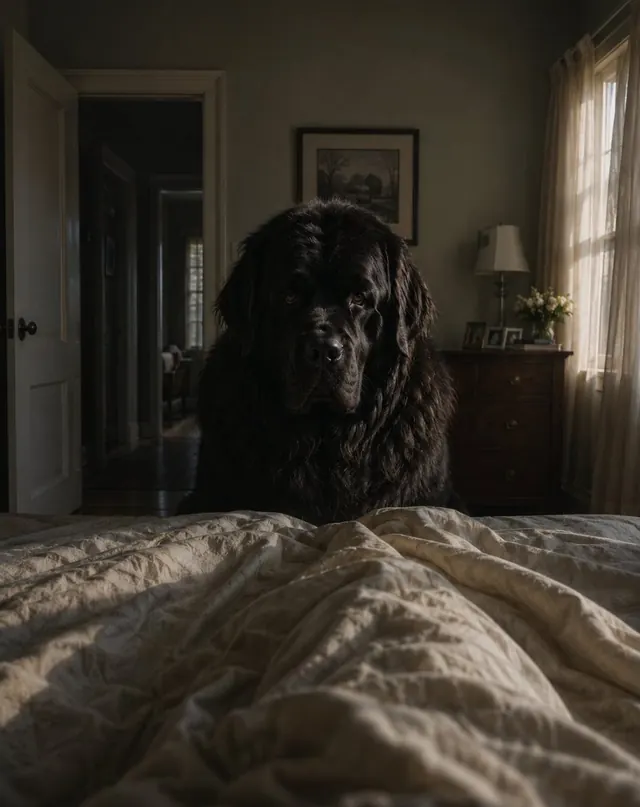
Black Dog
Depression’s quiet companion
No dog in the language is famous in quite this way.
The phrase is older than Churchill, but he made it permanent. He called his depressive stretches the black dog—not the blues, not down in the dumps, but something that stays.
Depression rarely arrives like lightning. It pads in on four feet, waits just past the lamplight. It knows the house.
Sadness has always drawn animal metaphors. English gave it a dog. Not a snarling beast, which you could at least fight— something worse: a companion.
It lies by the chair. Some days it barely lifts its head; other days it fills the whole doorway and will not move.
There is no opposite to summon, no white dog to undo it— only its absence, on the mornings it grants one.
Churchill kept writing through it. Kept governing. Kept a war upright when the doorway was full.
Most people who know the phrase never had to ask what it meant.
That is usually how you can tell.
15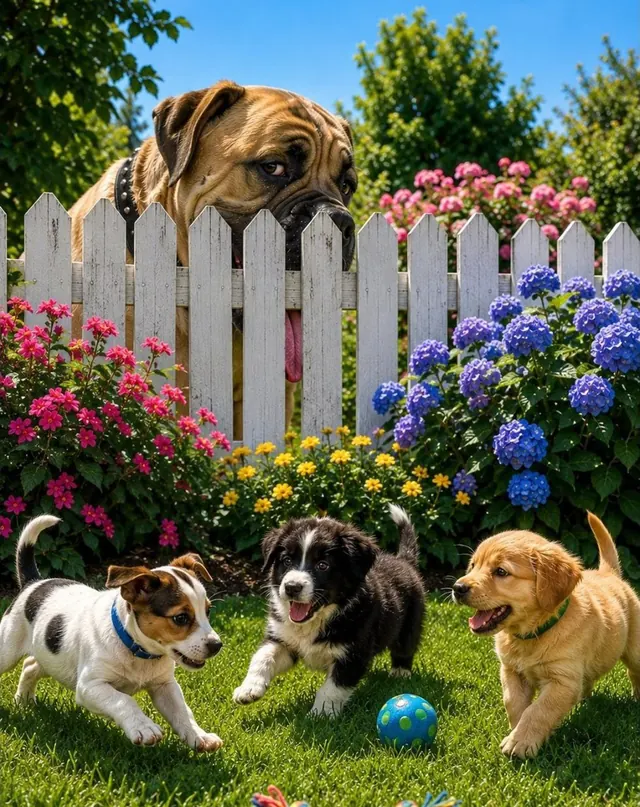
Sick Puppy
Something not right
The phrase sounds almost fond at first. That is the trick of it.
Sick puppy hides its verdict under a soft coat. A genuinely dangerous man gets called evil, or a monster.
The sick puppy belongs to a smaller, more familiar category— the creep, the obsessive, the bad seed, the one who laughs half a beat too long at the wrong thing.
It runs through American slang across the twentieth century, surfacing whenever someone crosses a line that isn’t quite the law but is unmistakably a line. Not criminal. Just wrong in a way the room feels before it can explain.
Set it beside dirty dog and the difference is plain. The dirty dog has charm; you might enjoy his company and count the silverware after. The sick puppy offers no such comfort.
Civilization, Freud thought, is a leash over instinct. Mostly it holds.
The sick puppy is sure everyone else is overreacting.
This is rarely the case.
17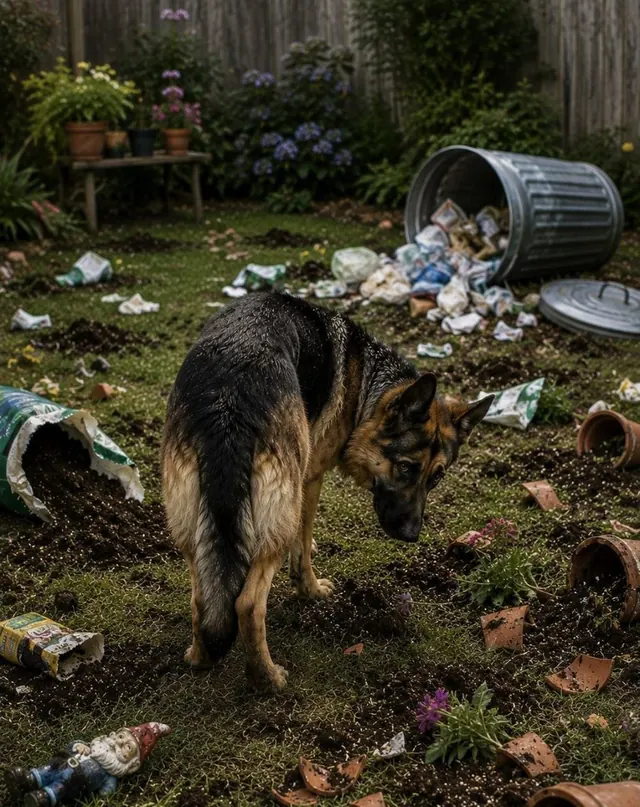
Tail Between the Legs
The walk of shame
A dog tells the truth with its whole body. To leave with your tail between your legs is to retreat after a failure too complete to argue with. The tail drops. The spine curls under. The animal tries to take up less room in a world that has just gone wrong.
The retreat begins before the legs move. Shame turns you from your own wreckage first; the slow walk out comes after. The opposite walk, head held high, takes effort; this one takes none.
It belongs with eating crow and losing face, and the modern walk of shame is the same animal in last night’s clothes—eyes down, taking the long way home, hoping the street is empty.
The dog’s version beats them all for plainness. You can see it. The slow steps. The avoided eyes. The hope that nobody saw.
Somebody always saw.
The phrase survives because humiliation never modernized. The tools changed. The defeat did not.
The body still folds the way it folded ten thousand years ago, beside a different fire.
19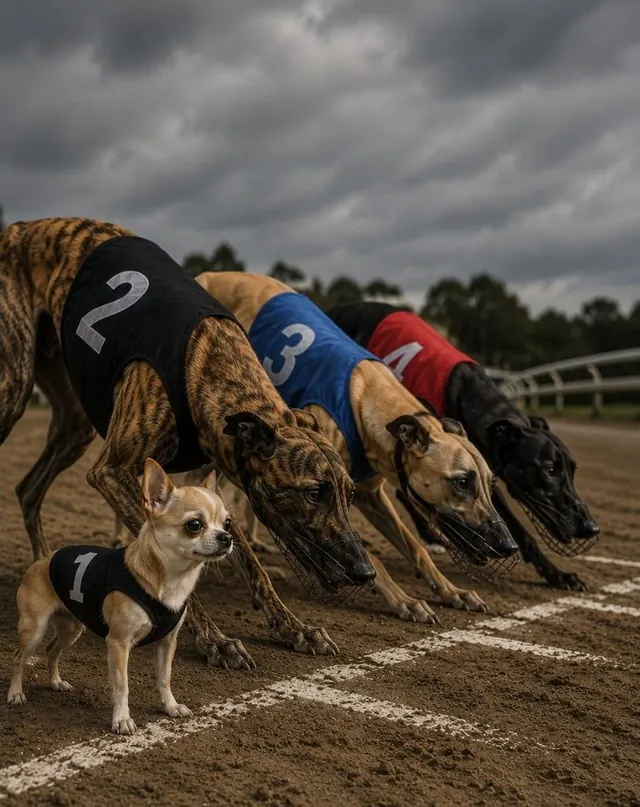
Not a Dog’s Chance
No chance at all
English does not merely note poor odds. It stages them.
Not a dog’s chance means odds so thin they hardly count—kin to a snowball’s chance—the long tradition of the dog as the creature with hardship built in, surviving conditions that were never fair to start with. The stray in a hard winter had few advantages and no guarantees. Even living was a gamble.
People borrowed the picture freely. The boxer against the unbeatable champion hasn't a dog’s chance. Neither has the politician caught two days before the vote, nor the runner who drew the outside lane against the field.
Gamblers, soldiers, and sportswriters loved the phrase, because all three spend their lives talking about the doomed.
And yet. The small one at the line, dwarfed by greyhounds bred for exactly this, stands as though he belongs. He does not have a dog’s chance. He does not appear to know it. Something in the dog keeps going after logic has filed its report, and the same thing lives in us.
It is why hopeless causes still draw a crowd.
Somebody always believes this time runs different.
21Dog idiom mugs and tees
Dog sayings on mugs and tees.
 Top Dog
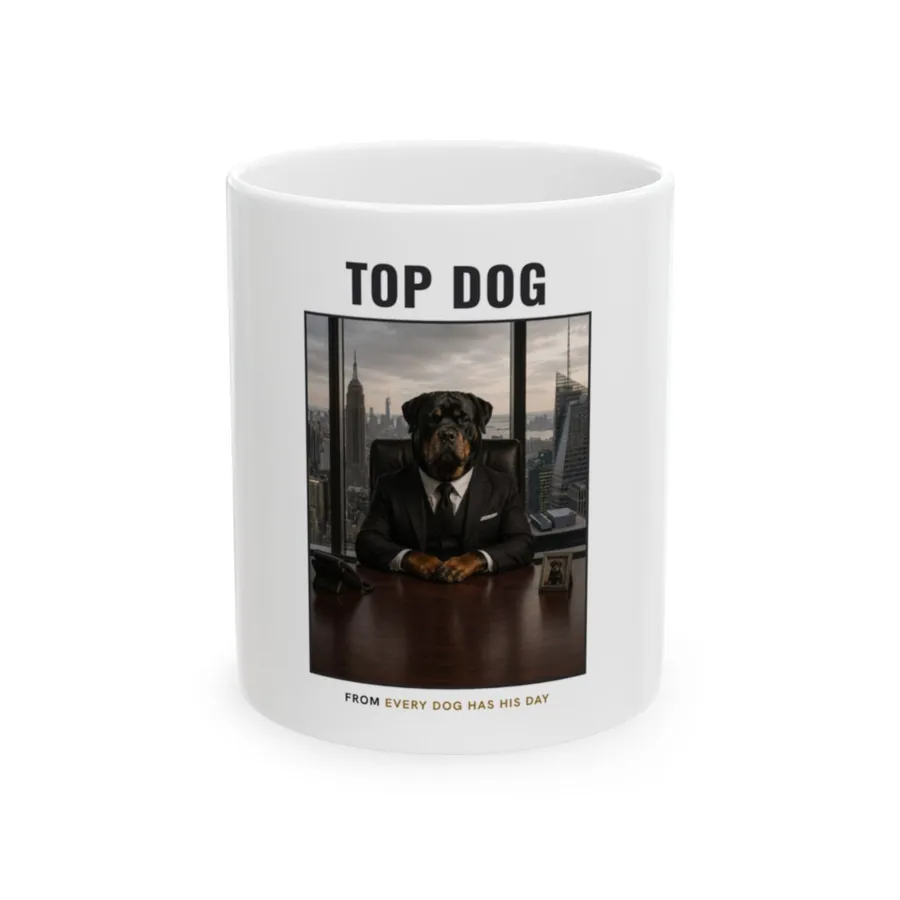 Top Dog
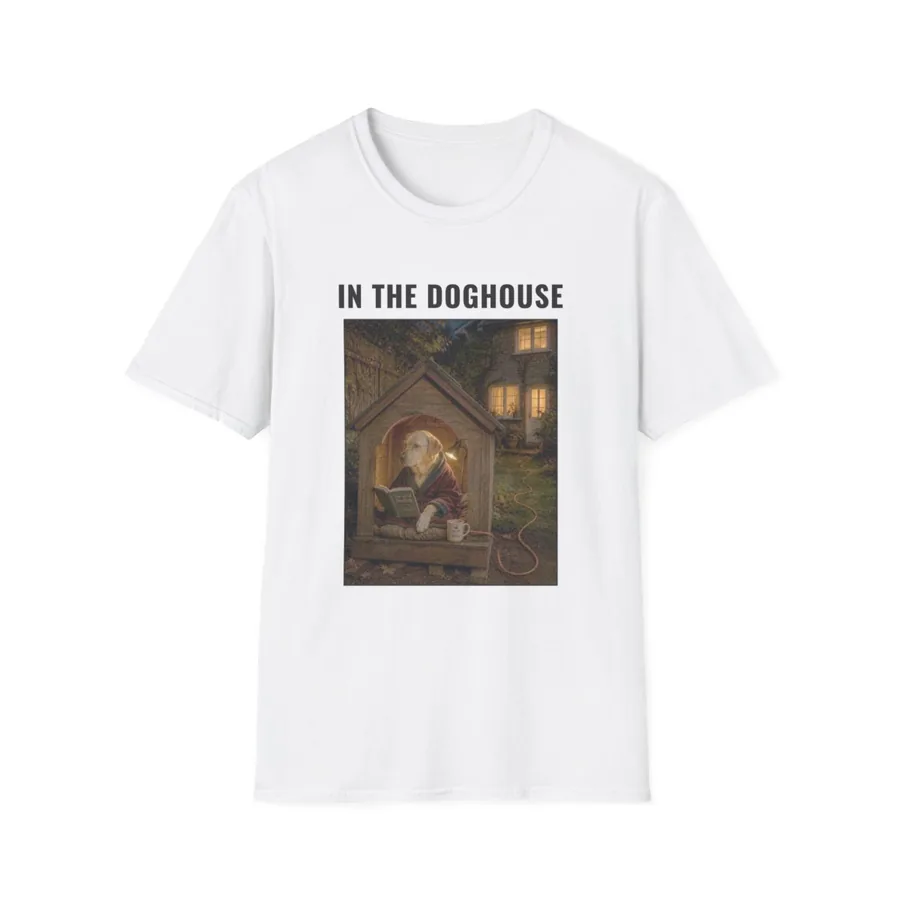 In the Doghouse
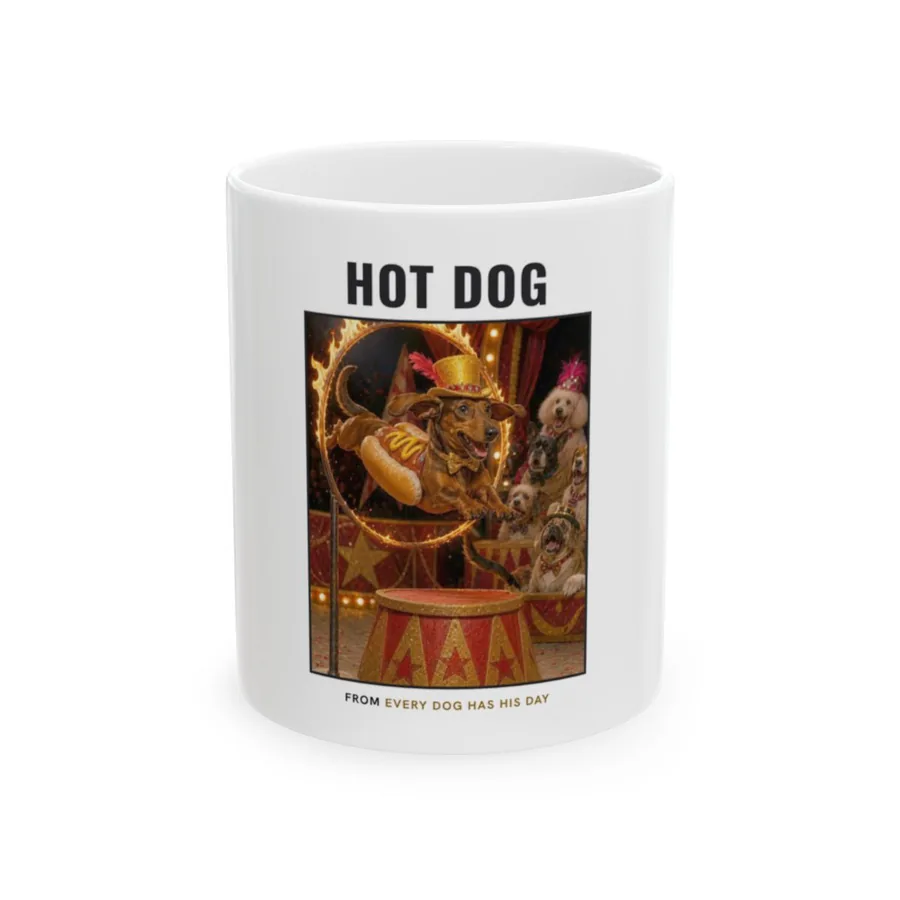 Hot Dog
 Cat Breeds
 Dog Breeds
 The Cat's Pajamas
 Every Bitch Has Her Way