
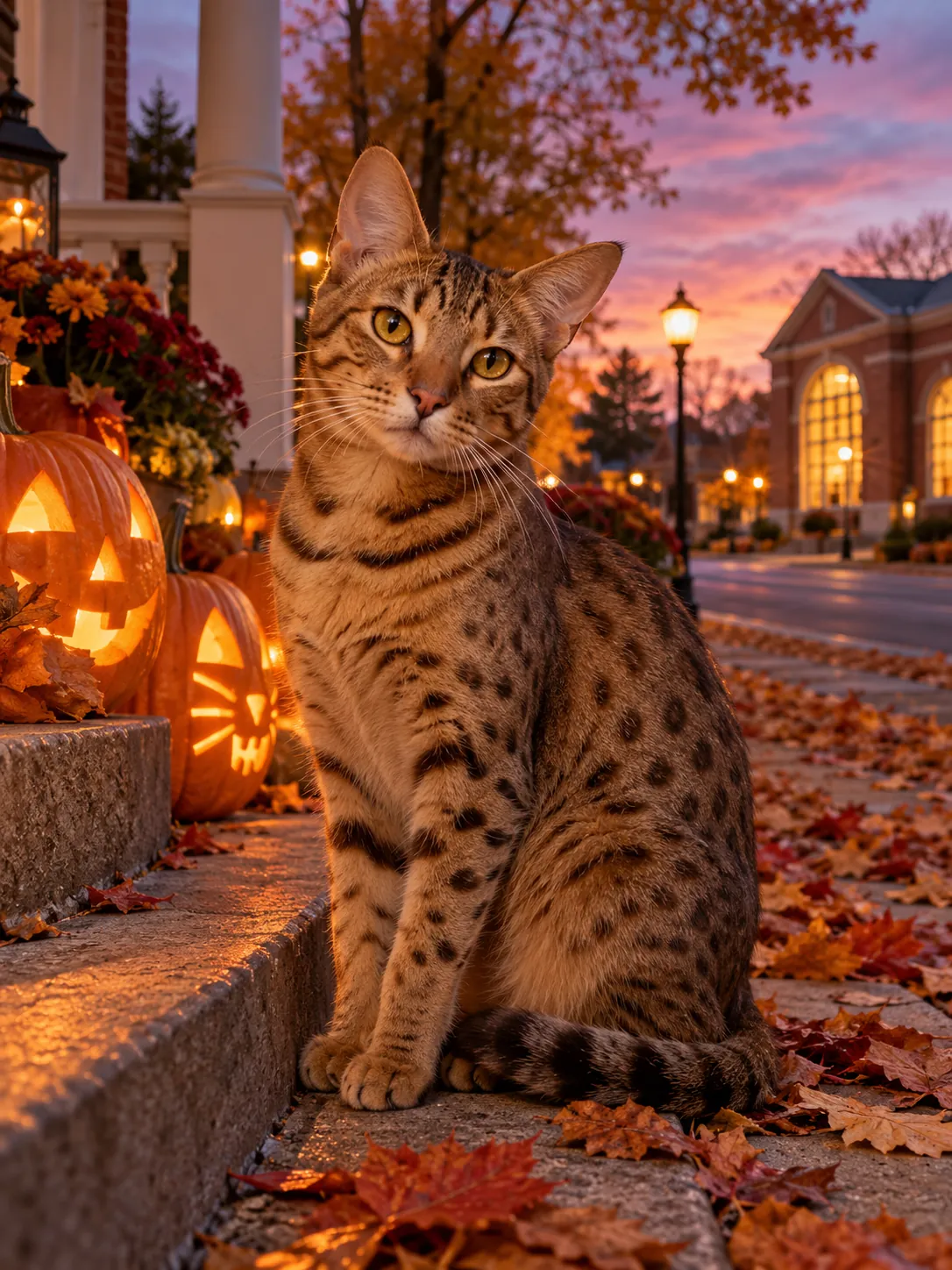
The Ocicat was an accident. In 1964, a breeder named Virginia Daly in Berkley, Michigan, crossed a Siamese with an Abyssinian-point Siamese, hoping to make a cat with Abyssinian markings and Siamese points. One kitten in the litter had an ivory coat with golden spots, and Daly’s daughter said it looked like a baby ocelot. The name stuck.
The Ocicat has no wild blood. It is entirely domestic, a result of Siamese, Abyssinian and later American Shorthair lines, and the American Shorthair introduced the silver color and the larger bone. Despite the look, the breed is a sociable, friendly house cat.
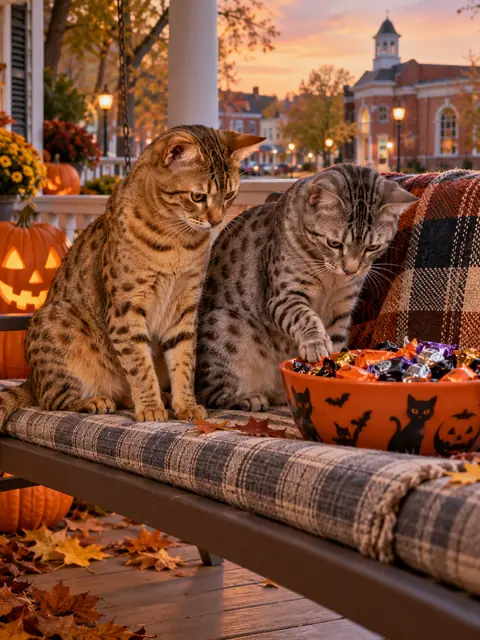
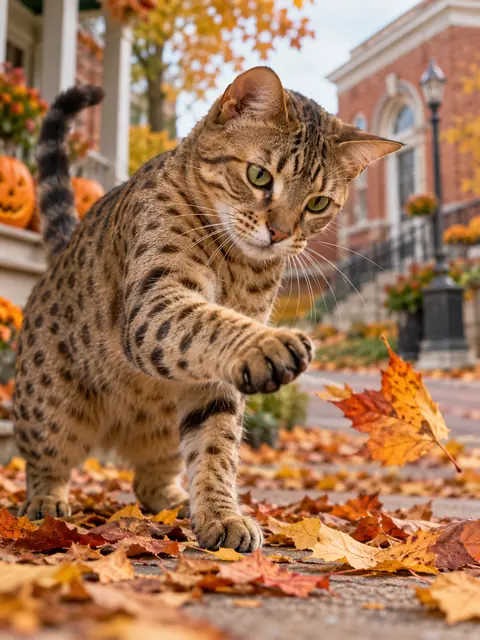
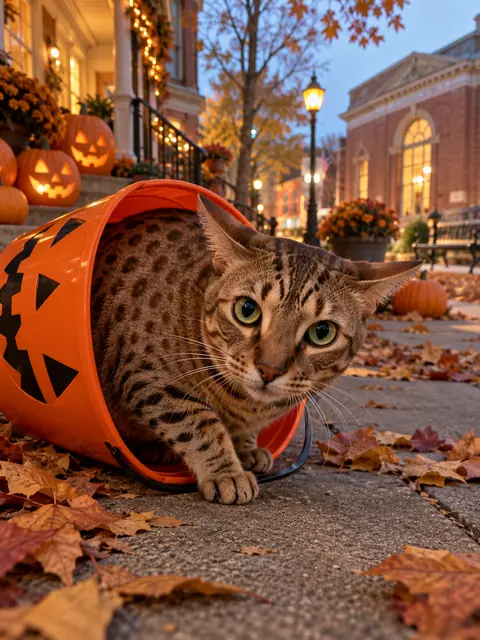
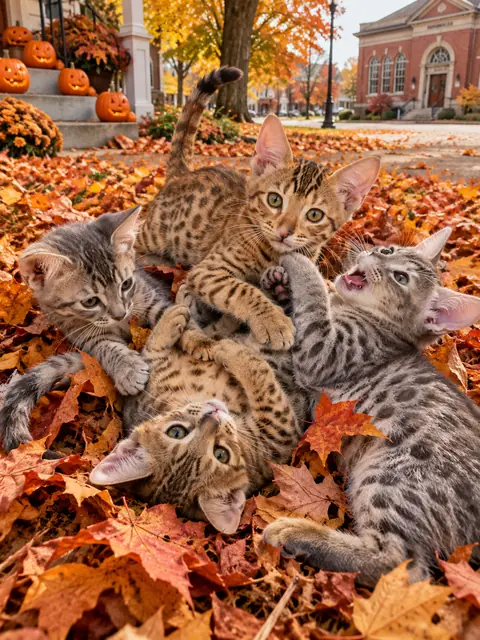
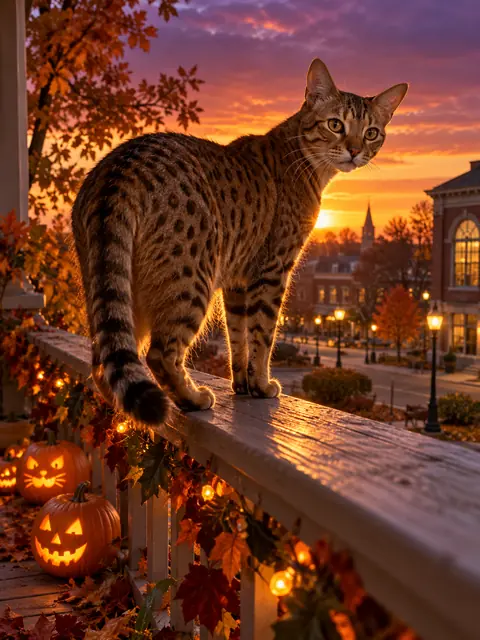
The coat is the signature. A short, sleek coat is covered in thumbprint-shaped spots, arranged in a bull’s-eye pattern, with a mark that looks like an M on the forehead. Each hair has several bands of color, which gives a glowing look, and the colors include tawny, chocolate, cinnamon, blue, lavender and silver.
The body is solid and muscular, athletic and graceful, with a long, powerful frame and a broad head. The eyes are almond-shaped and can be any color except blue. An Ocicat moves like a small wild cat, and it is often mistaken for one.
The personality is that of a dog. Ocicats are outgoing, intelligent and social, and they can learn tricks, to fetch and to walk on a leash. They greet guests at the door and follow their people. They have a soft voice, and they get on well with children, dogs and other cats.
The coat needs a weekly rub with a soft cloth. Health notes include PK deficiency, kidney problems and dental disease, so ask breeders about screening. An Ocicat does best with company and tall climbing places. A healthy Ocicat can live twelve to eighteen years.
 SundayNov 21
 MondayNov 22
 TuesdayNov 23
 WednesdayNov 24
 ThursdayNov 25
 FridayNov 26
 SaturdayNov 27
 Last WalkWeek close