
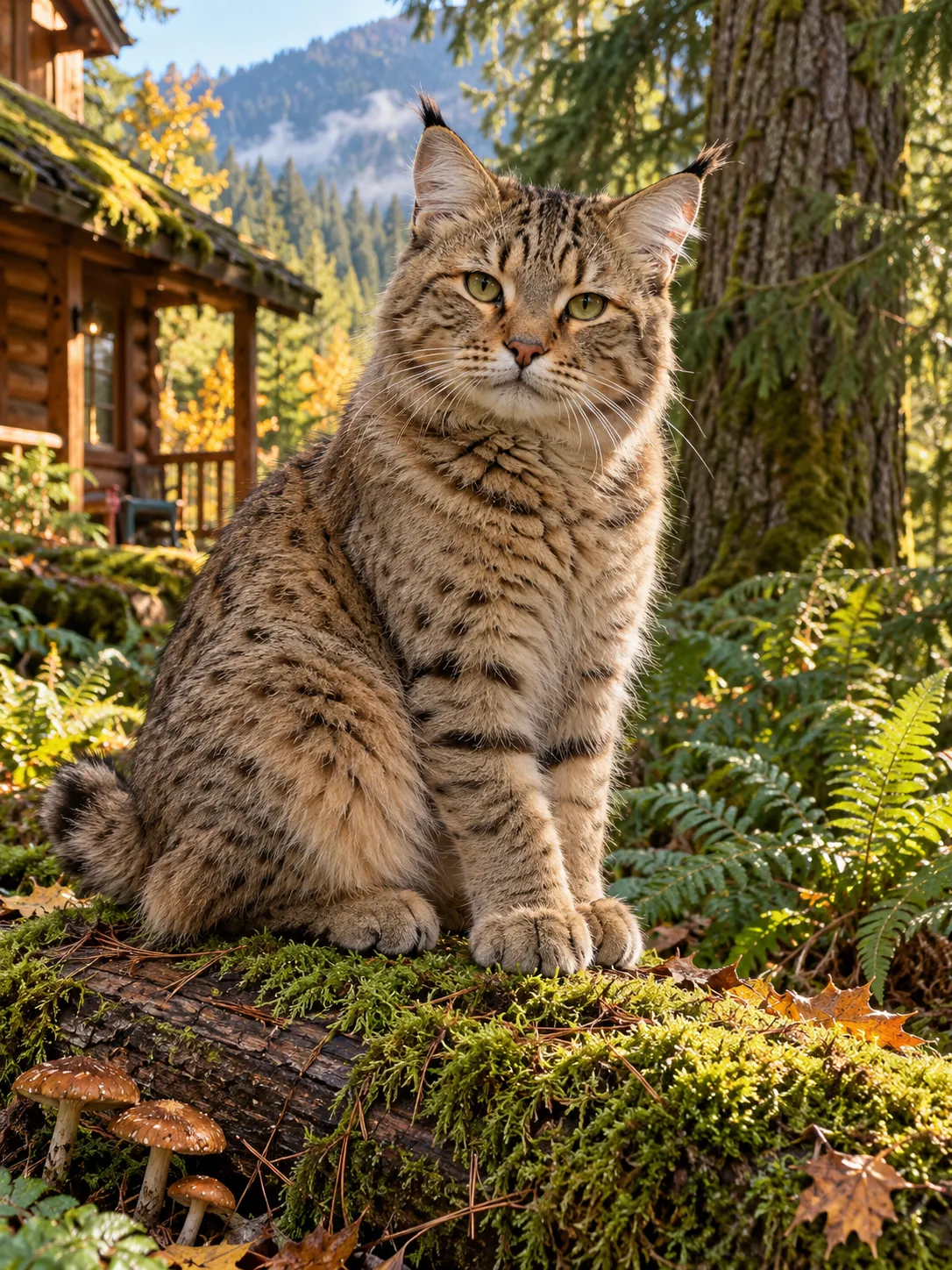
The Pixiebob began in 1985 in Washington State, when a breeder named Carol Ann Brewer rescued a bobtailed, spotted male kitten named Pixie from a mountain village. The cats were said to be the offspring of bobcats and domestic cats, a story that has never been proven, and DNA tests have shown no wild blood in the breed.
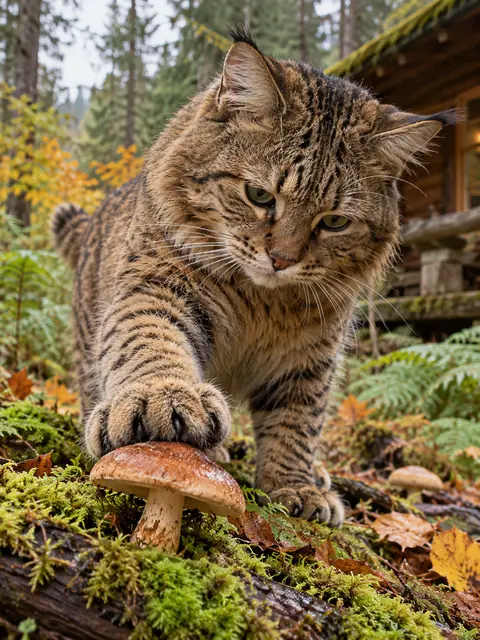
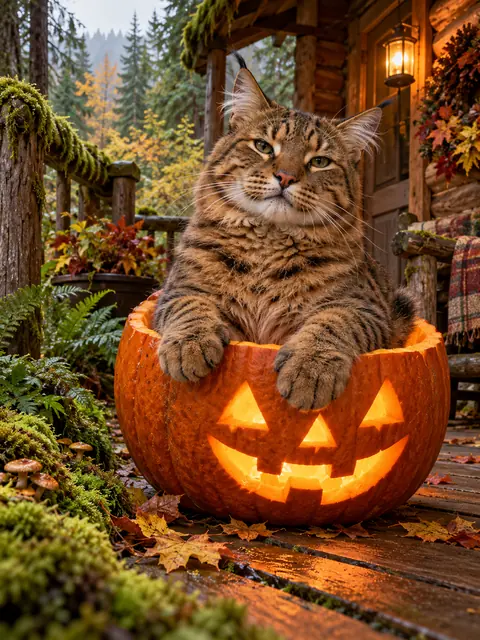
The look is wild. A Pixiebob is a large, rugged cat with a broad head, deep-set eyes with heavy brow ridges, a wide muzzle and tufted ears. The coat is a spotted tabby in shades of brown, with a shaggy short or long coat, and a belly that sags slightly in a primordial pouch.
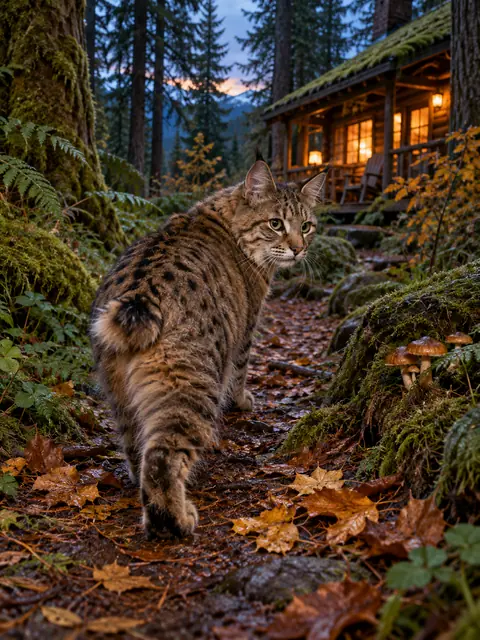
The tail is short, between two inches and the hock, and it can be straight, curved or knotted. Many Pixiebobs also have extra toes, called polydactyly, giving them large, mitten-like paws. Both traits are part of the breed’s charm and are permitted in the show ring.
The personality is that of a dog. Pixiebobs are loyal, intelligent and good-natured, and they bond closely with their families. They follow their owners, play fetch, walk on a leash and often greet guests at the door. They have a soft chirrup instead of a meow.
They are slow to mature, taking up to four years to reach full size, and a large male can weigh seventeen pounds. They are good with children and other pets, and they thrive on company. Many like water and enjoy trips in the car or boat.
The coat needs a weekly comb. Health notes include difficulty with birthing in some lines, heart disease and a tendency toward reproductive problems, so ask breeders about screening. Keep the cat lean, give it room to play and expect a loyal friend for thirteen to fifteen years.
 SundayNov 7
 MondayNov 8
 TuesdayNov 9
 WednesdayNov 10
 ThursdayNov 11
 FridayNov 12
 SaturdayNov 13
 Last WalkWeek close