
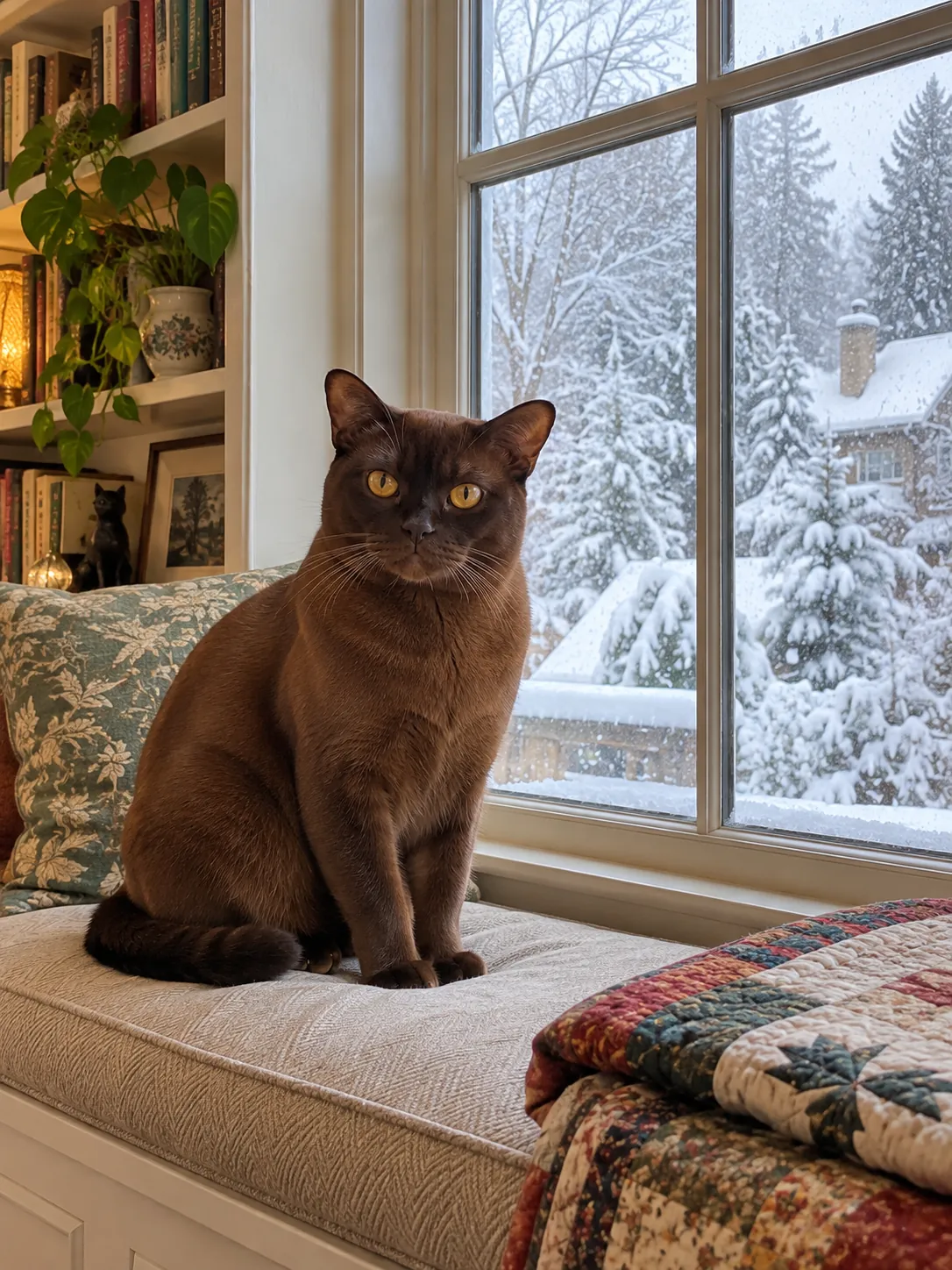
The modern Burmese traces to a single cat. In the 1930s a small brown cat named Wong Mau was brought from Burma to the United States, and a careful breeding program built an entire breed around her warm sable coat and sweet nature.
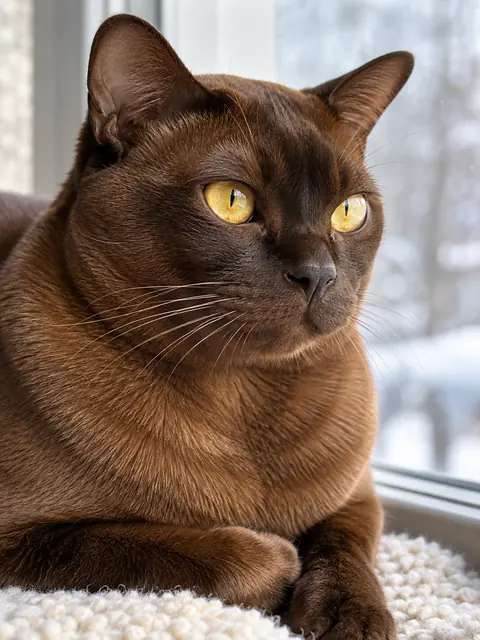
It is deceptively solid. The Burmese looks compact and rounded but feels surprisingly heavy in the hand, leading to the old description of a brick wrapped in silk. The short, glossy coat lies close to a muscular body, set off by large, round, golden-yellow eyes.
The temperament is its glory. Burmese are devoted, people-oriented, and endlessly affectionate, often called the most dog-like of cats for the way they follow, greet, and insist on laps. They stay playful and kittenish well into adulthood.
They do not like to be alone and thrive in busy, loving homes. The breed also helped create the Tonkinese through crosses with the Siamese, and it comes in sable and several diluted shades.
A Burmese is famously people-dependent. It wants laps, shoulders, and conversation, follows its owners from room to room, and stays playful and kitten-like for years, which makes it a delightful companion and a poor choice for anyone away from home all day.
The short, satiny coat needs only a weekly wipe, but the breed carries a few risks worth knowing, including dental disease, diabetes, and, in some lines, a serious skull deformity and a condition that causes painful sensitivity, so reputable breeders test carefully.
 SundayJan 24
 MondayJan 25
 TuesdayJan 26
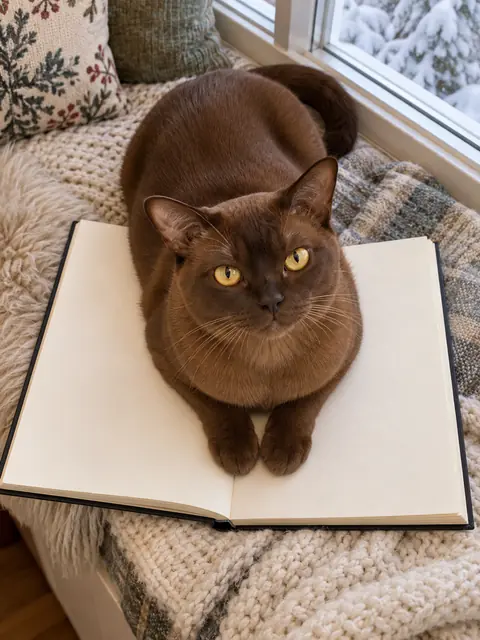 WednesdayJan 27
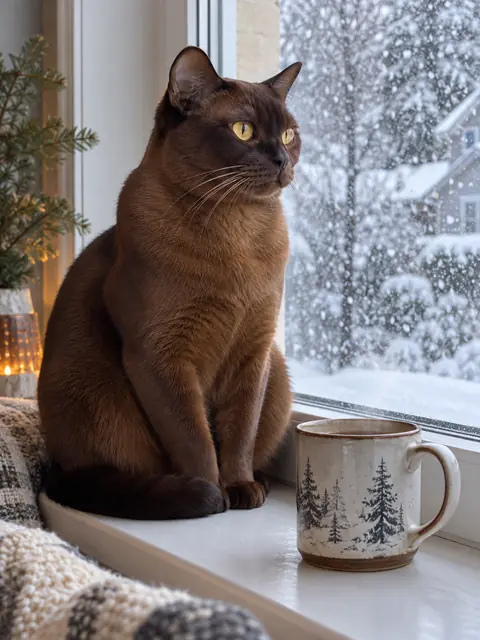 ThursdayJan 28
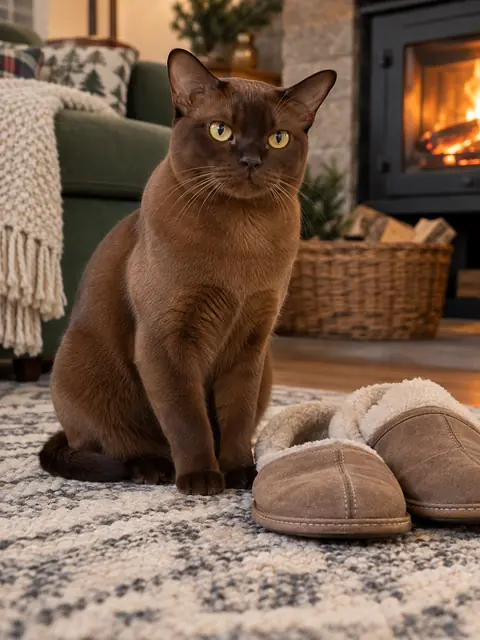 FridayJan 29
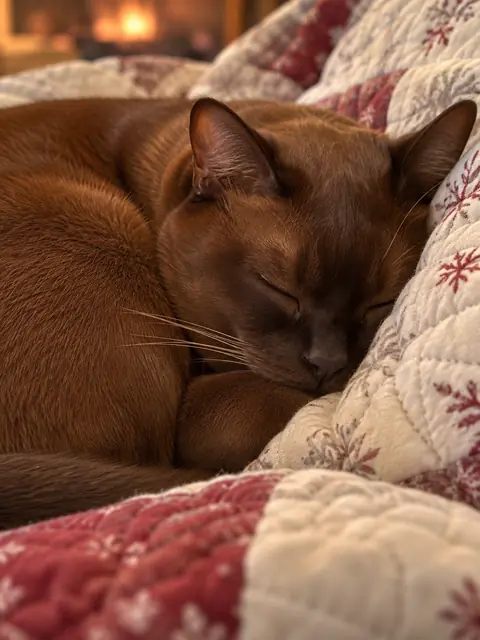 SaturdayJan 30
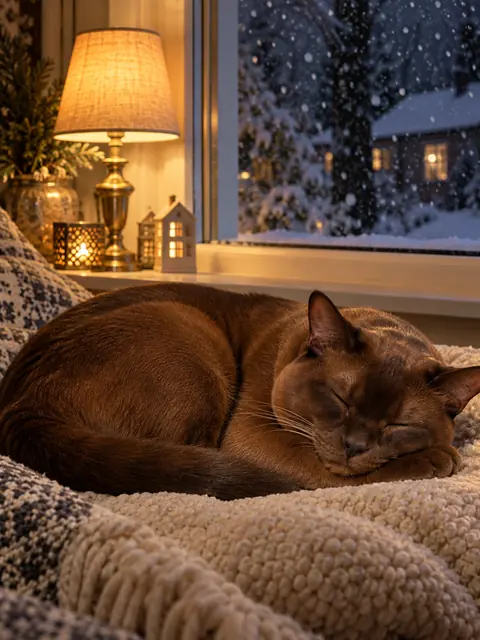 Last WalkWeek close
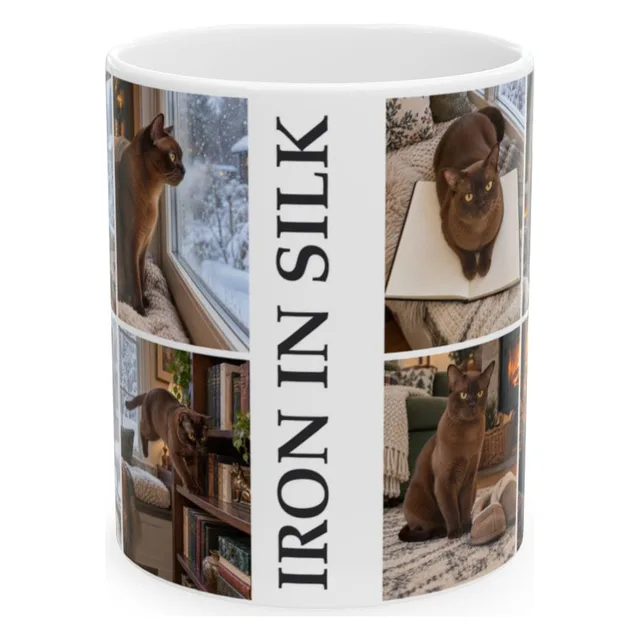 Mug
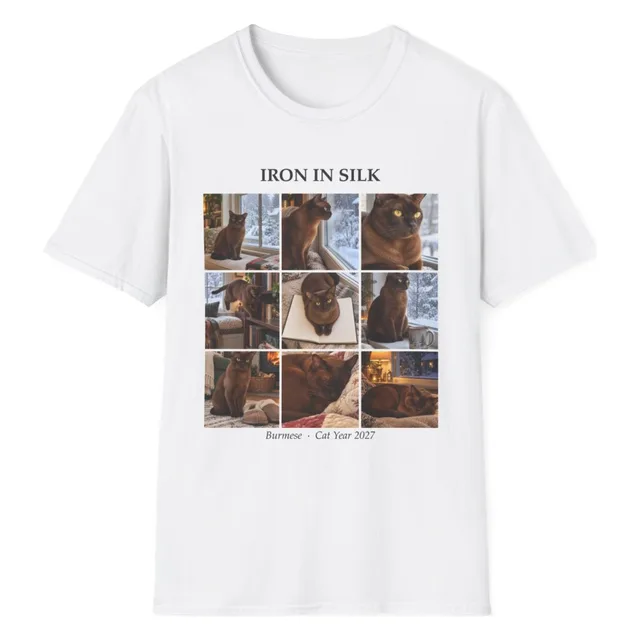 T-shirt
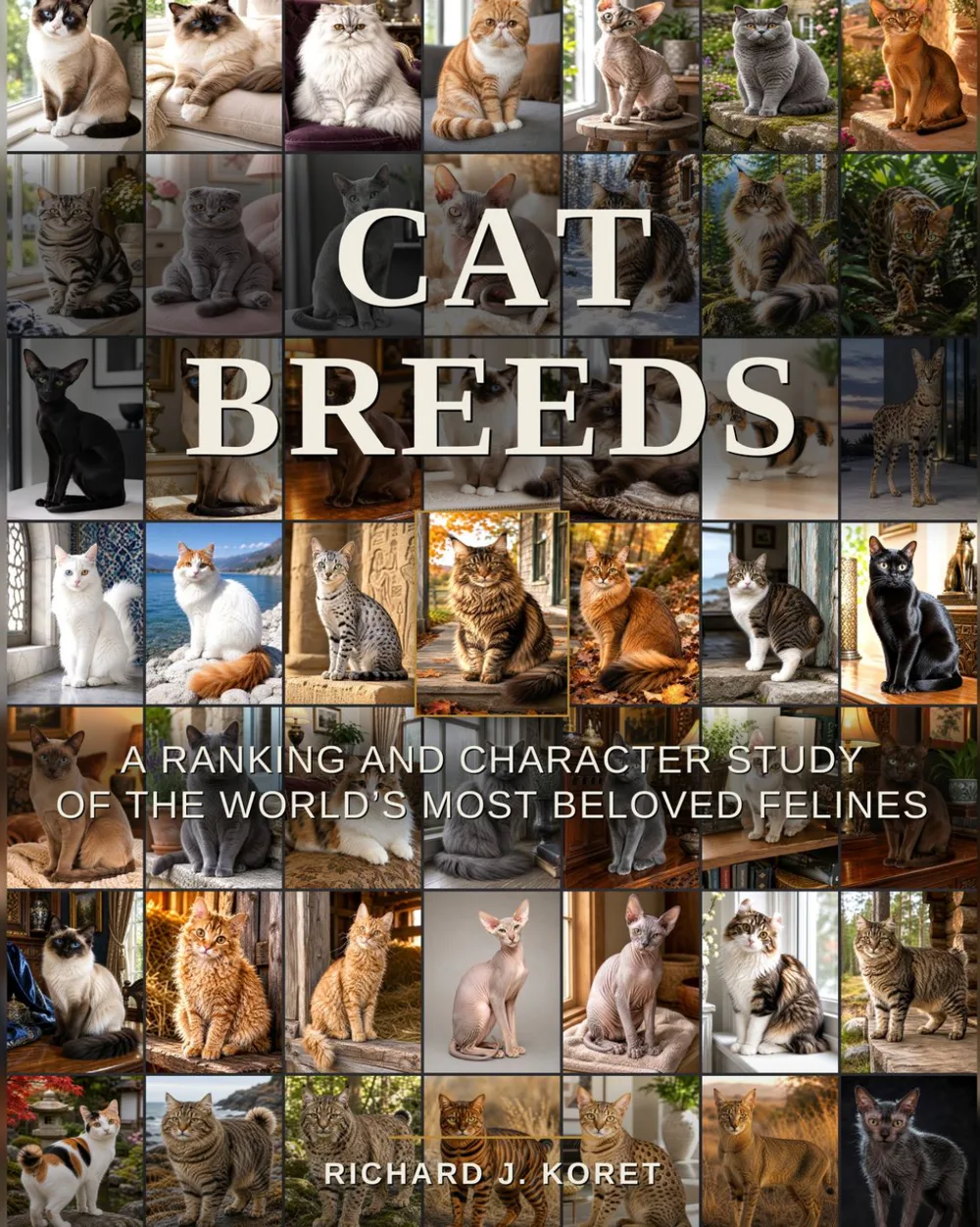 Cat Breeds
 Dog Breeds
 Every Dog Has His Day
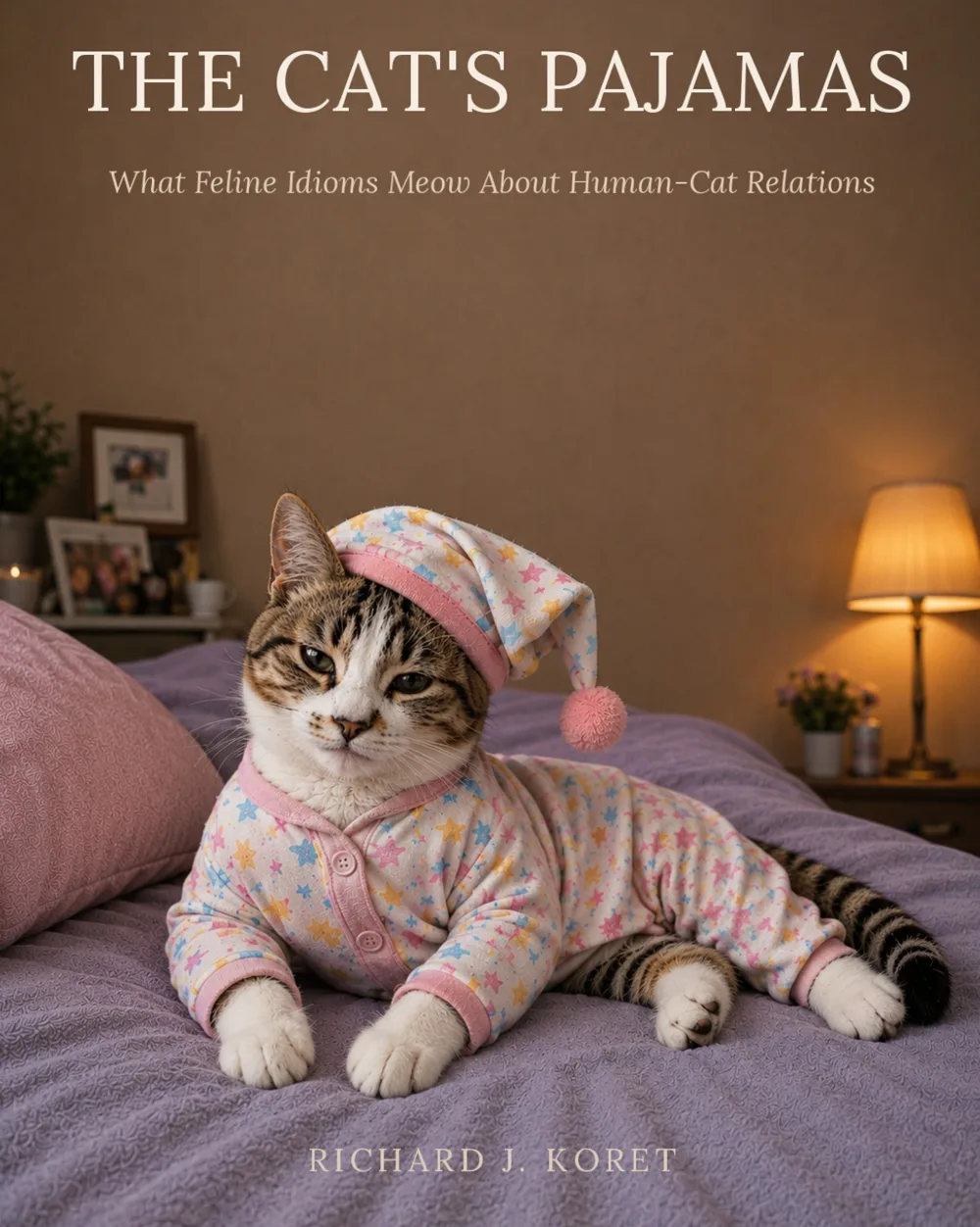 The Cat's Pajamas