
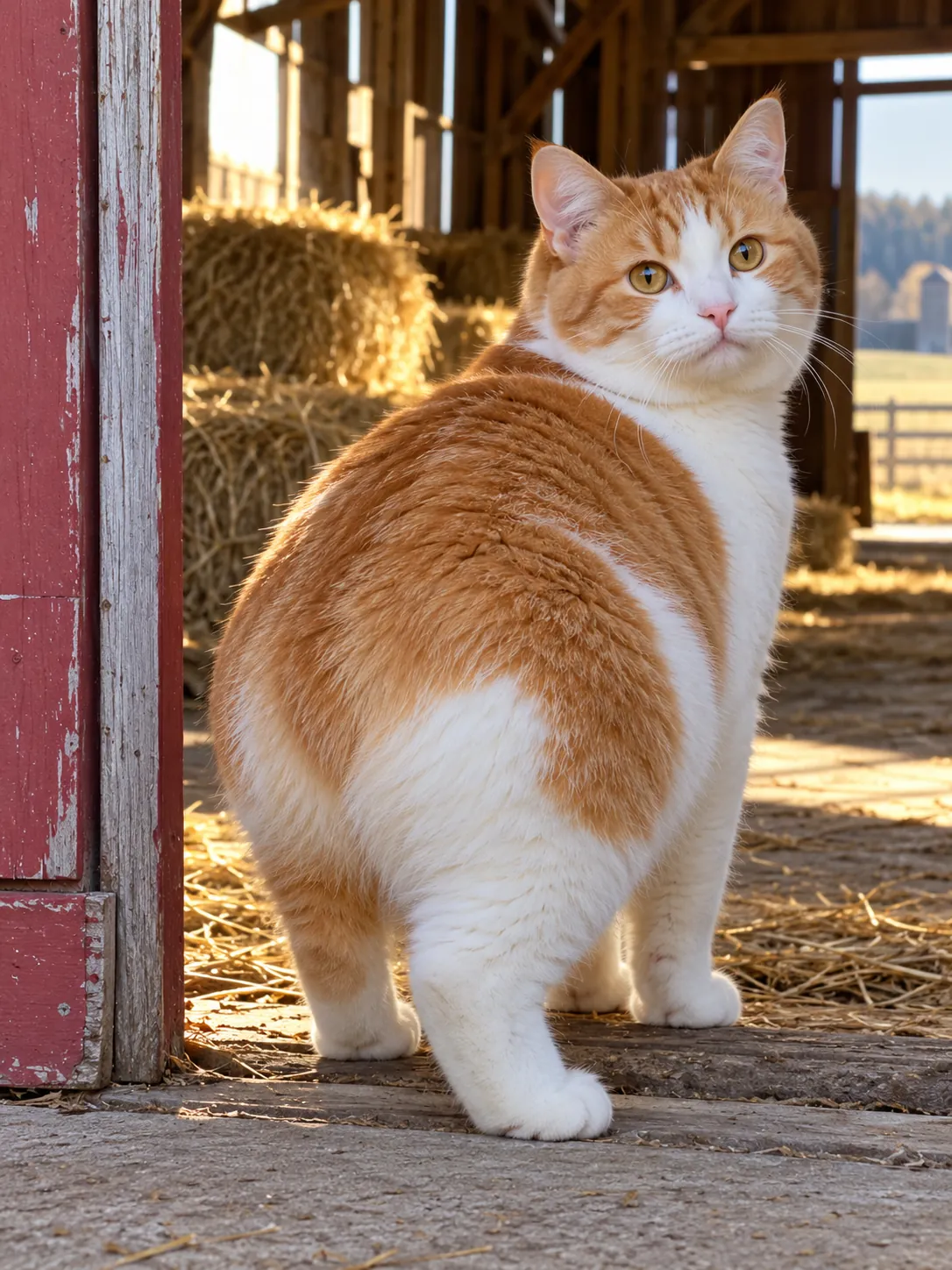
The Manx is the cat without a tail, and it comes from the Isle of Man, in the Irish Sea. Tailless cats are an ancient island mutation, and the breed is named for the Manx people. Legends say the cat arrived on the Spanish Armada or that it was late to Noah’s ark and had its tail caught in the closing door.
The tail is the great variable. The gene is dominant, and in a litter the kittens vary. A rumpy has no tail at all and a small dimple where the tail would be, a rumpy riser has a bump of bone, a stumpy has a short stub, and a longy has a nearly full tail. Only rumpies and risers are normally shown.
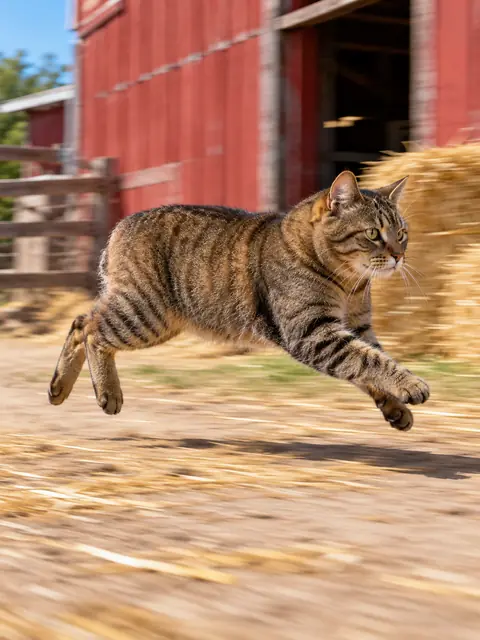
The shape is round. A Manx has a round head, round cheeks, a sturdy round body and hind legs that are longer than the front, so that its rump is higher than its shoulders. This gives it a rabbit-like gait, a hop at a gallop, and a strong leap.
The personality is that of a loyal dog. Manx cats are often described as devoted, intelligent and playful, and they can learn to fetch, follow, and wait at the door for their people. They are excellent hunters and have long been prized on farms and ships for catching mice and rats.
The coat comes in short and long versions, and the long version is sometimes called a Cymric. Both have a thick double coat that is easy to care for with a weekly brush. They get on with other pets and are known for a soft voice, a trill and a chirp.
The gene that removes the tail can affect the spine. Manx syndrome, a set of spinal and bowel problems, can appear in some kittens, so choose a breeder who health-tests and breeds responsibly. Keep the cat lean, give it a stable home and expect a loyal companion for a dozen years.
 SundayJul 11
 MondayJul 12
 TuesdayJul 13
 WednesdayJul 14
 ThursdayJul 15
 FridayJul 16
 SaturdayJul 17
 Last WalkWeek close