
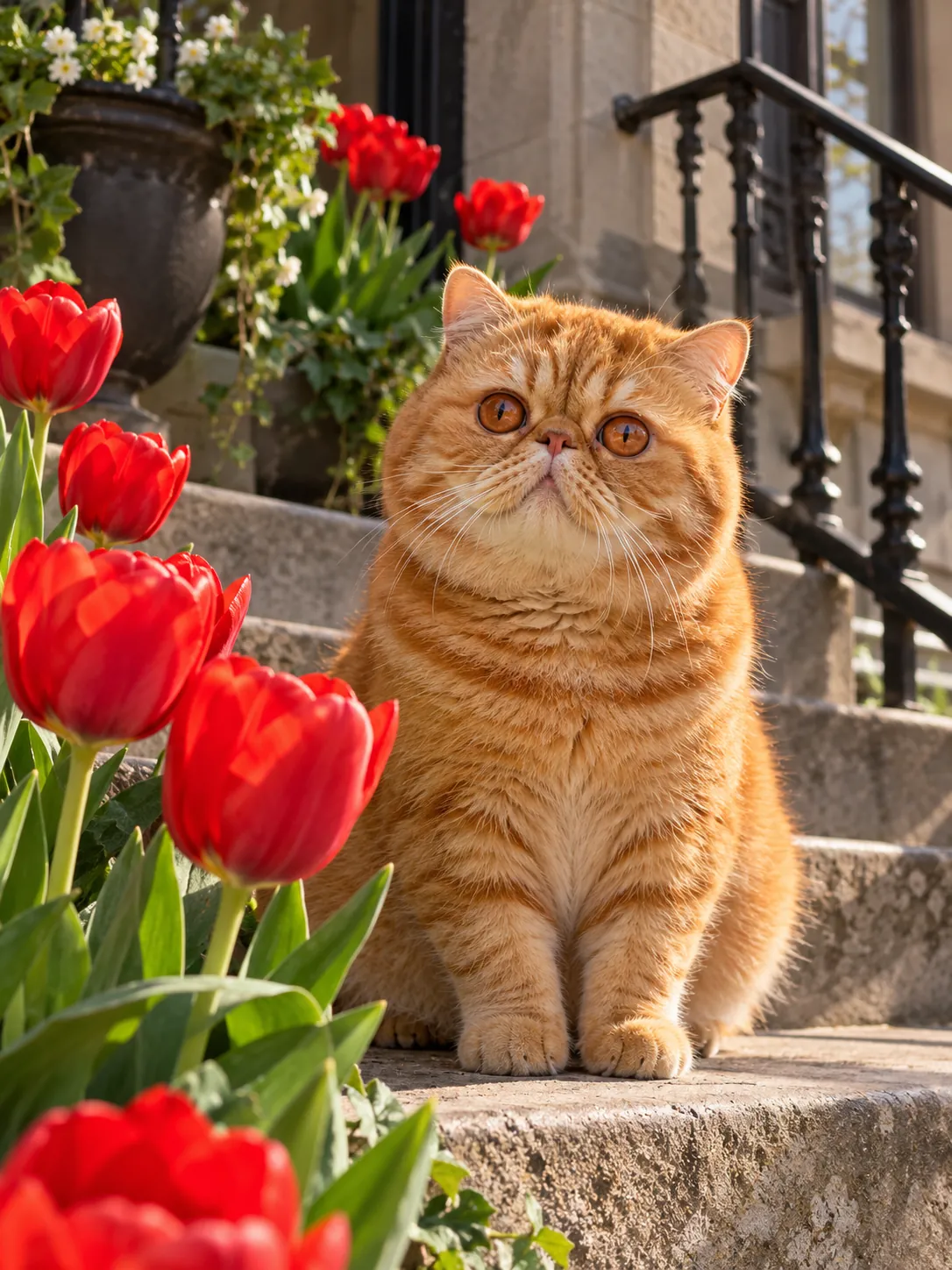
The Exotic Shorthair is the Persian with an easy coat. In the 1950s and 1960s, American breeders crossed Persians with American Shorthairs, and sometimes with Burmese and Russian Blues, hoping to improve the shorthair coat. The cats that resulted had the round Persian face and a short, thick, plush coat, and the Exotic was recognized for championship in 1967.
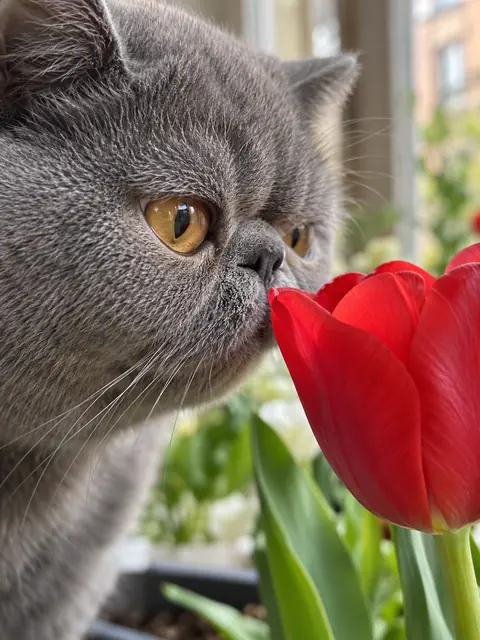
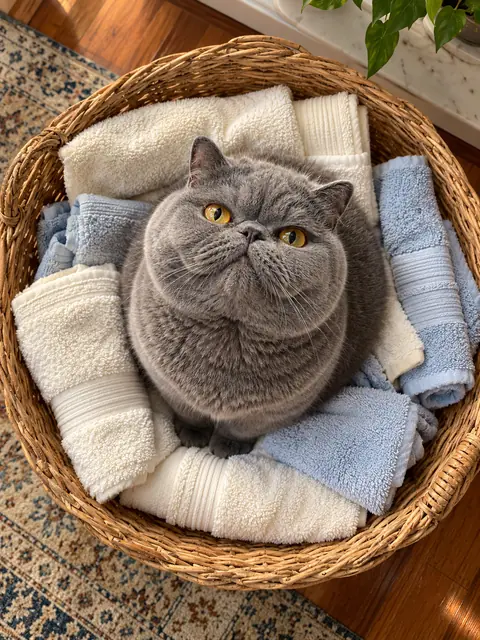
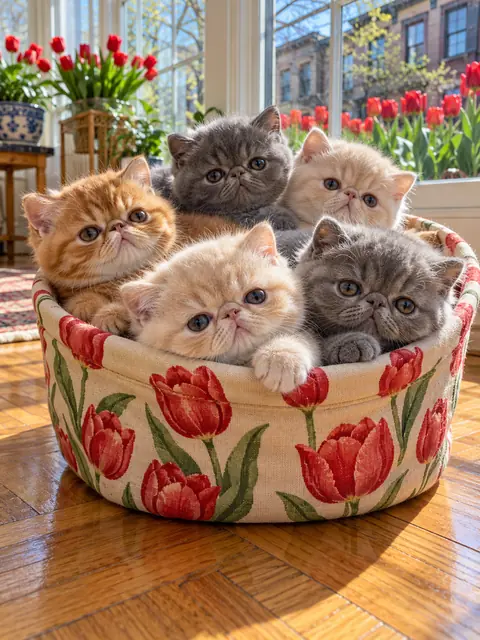
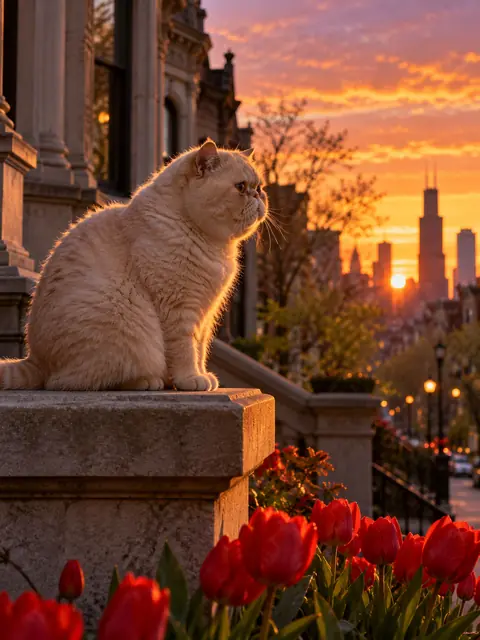
The look is a teddy bear. The head is round, with full cheeks, a short, flat nose, large round eyes and tiny ears. The body is stocky and low on the leg, and the coat is dense and plush. It stands out from the body and comes in almost every color and pattern, from solid blue and white to tabby and tortoiseshell.
The personality is the Persian’s, with a little more spark. Exotics are sweet, calm and affectionate, but they are often more playful than their longhaired cousins. They like to be near their people, sit in laps and follow you around the house, and they are quiet and easygoing with children and other pets.
The great advantage is the coat. An Exotic needs far less grooming than a Persian, just a comb two or three times a week, and an occasional wipe of the face. It is sometimes called the lazy person’s Persian, although it still sheds and it still deserves attention.
The flat face brings care needs. Exotics can have tear-stained eyes, breathing difficulties and dental crowding, so the face should be wiped daily, and the cat should be kept cool in hot weather. Choose a breeder who health-tests, and favor a face with a little more nose and open nostrils.
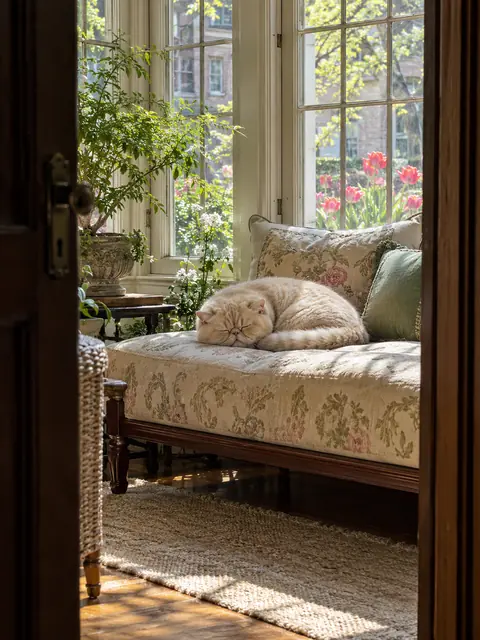
Responsible breeders screen for the kidney disease PKD with a DNA test and check the heart and the eyes. A well-bred Exotic lives about twelve to fifteen years. Keep it lean, keep the face clean and give it a soft place by the window.
 SundayJun 13
 MondayJun 14
 TuesdayJun 15
 WednesdayJun 16
 ThursdayJun 17
 FridayJun 18
 SaturdayJun 19
 Last WalkWeek close