
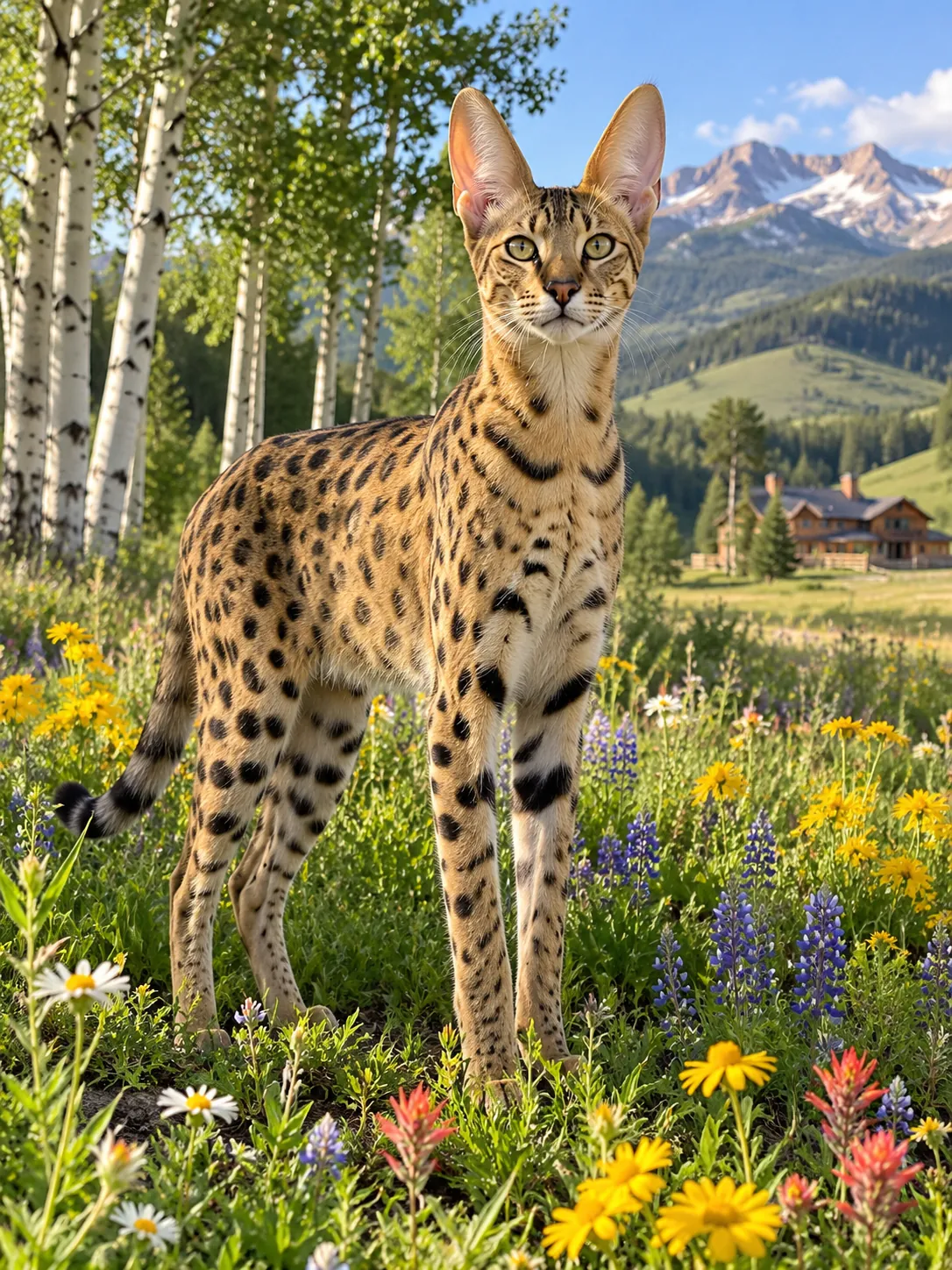
The Savannah is a large domestic cat with a wild ancestor. The breed was started in the 1980s by crossing a serval, a tall, long-eared African wild cat, with a domestic cat, and the first Savannah kitten was born in 1986 to a breeder named Judee Frank. The name comes from the African grasslands where servals live.
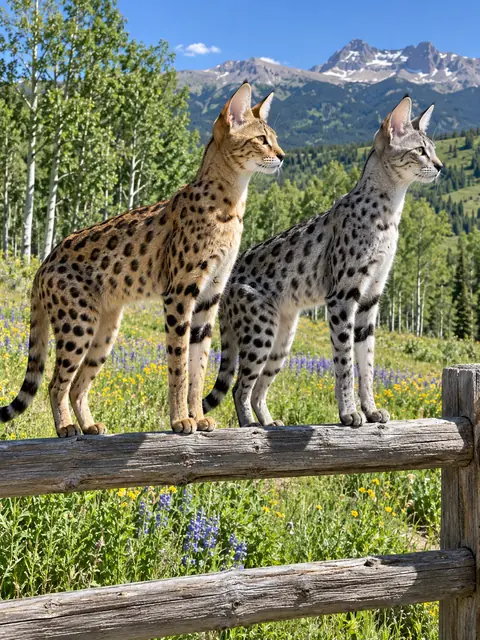
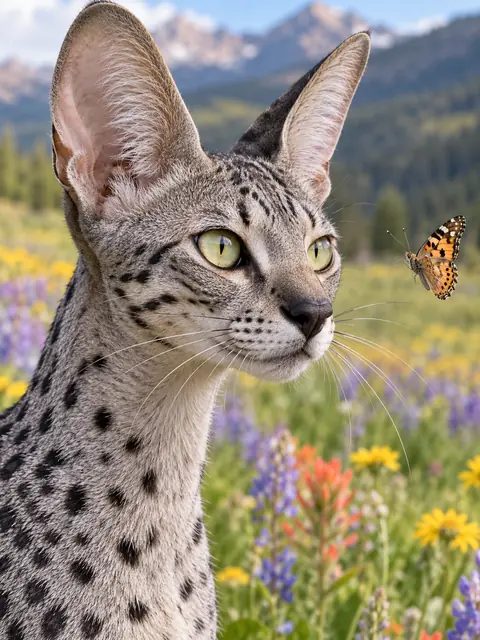
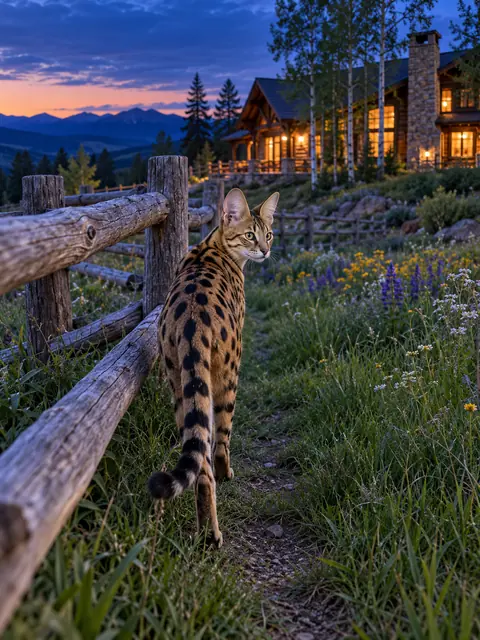
The look is unmistakable. A Savannah is tall and lean, with long legs, a long neck, large upright ears with a pale spot on the back and a spotted coat in brown, silver, black or smoke. It is often among the tallest domestic cats, with a body that looks built for the grasslands.
Savannahs are described by generation. An F1 has a serval parent and is the largest and wildest, while an F5 is several generations removed and is much closer to a domestic cat in size and temperament. The International Cat Association gave the breed championship status in 2001.
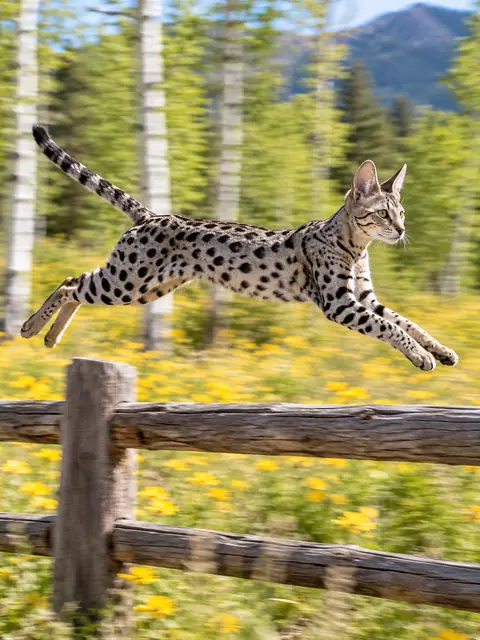
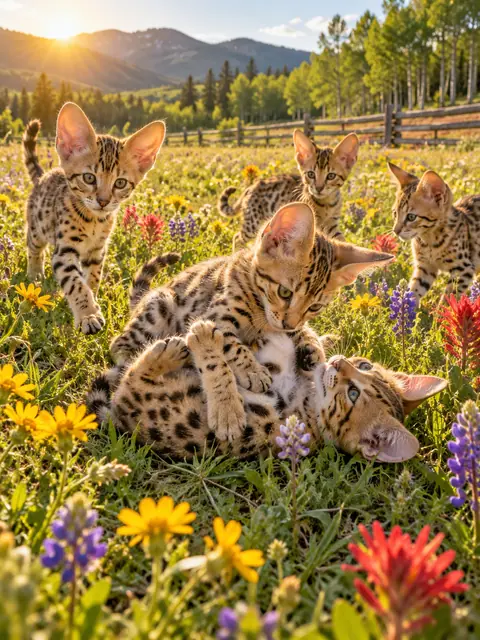
The personality is energetic, curious and loyal. Savannahs are known for their jumping, with some able to leap several feet straight up from a standing position. Many love water, enjoy walking on a leash and can learn tricks and fetch. They are bold and social, and they tend to bond closely with one person.
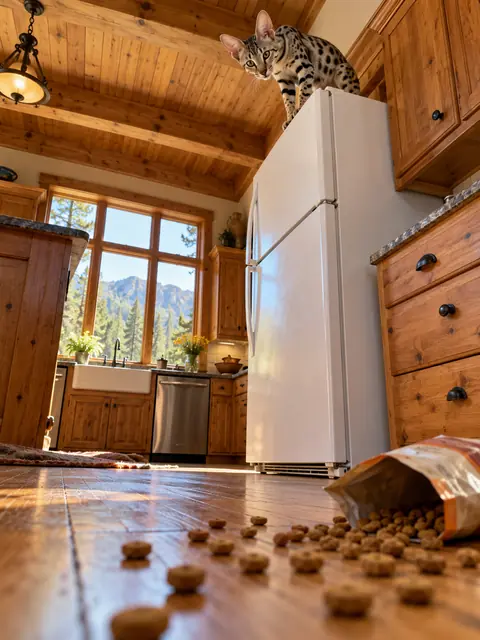
They need space and activity. A Savannah does best with tall cat trees, secure climbing, puzzle toys and an owner who has time to play. A bored Savannah will open cabinets, raid shelves and invent games of its own. A secure outdoor enclosure is a good idea, and a harness and leash work well.
Check the law before you fall in love. Early-generation Savannahs are restricted or banned in several American states and cities, so owners must know the local rules. Later generations are easier to keep. Grooming is simple, a weekly brush will do. Ask breeders about heart health and diet.
 SundayJun 6
 MondayJun 7
 TuesdayJun 8
 WednesdayJun 9
 ThursdayJun 10
 FridayJun 11
 SaturdayJun 12
 Last WalkWeek close