
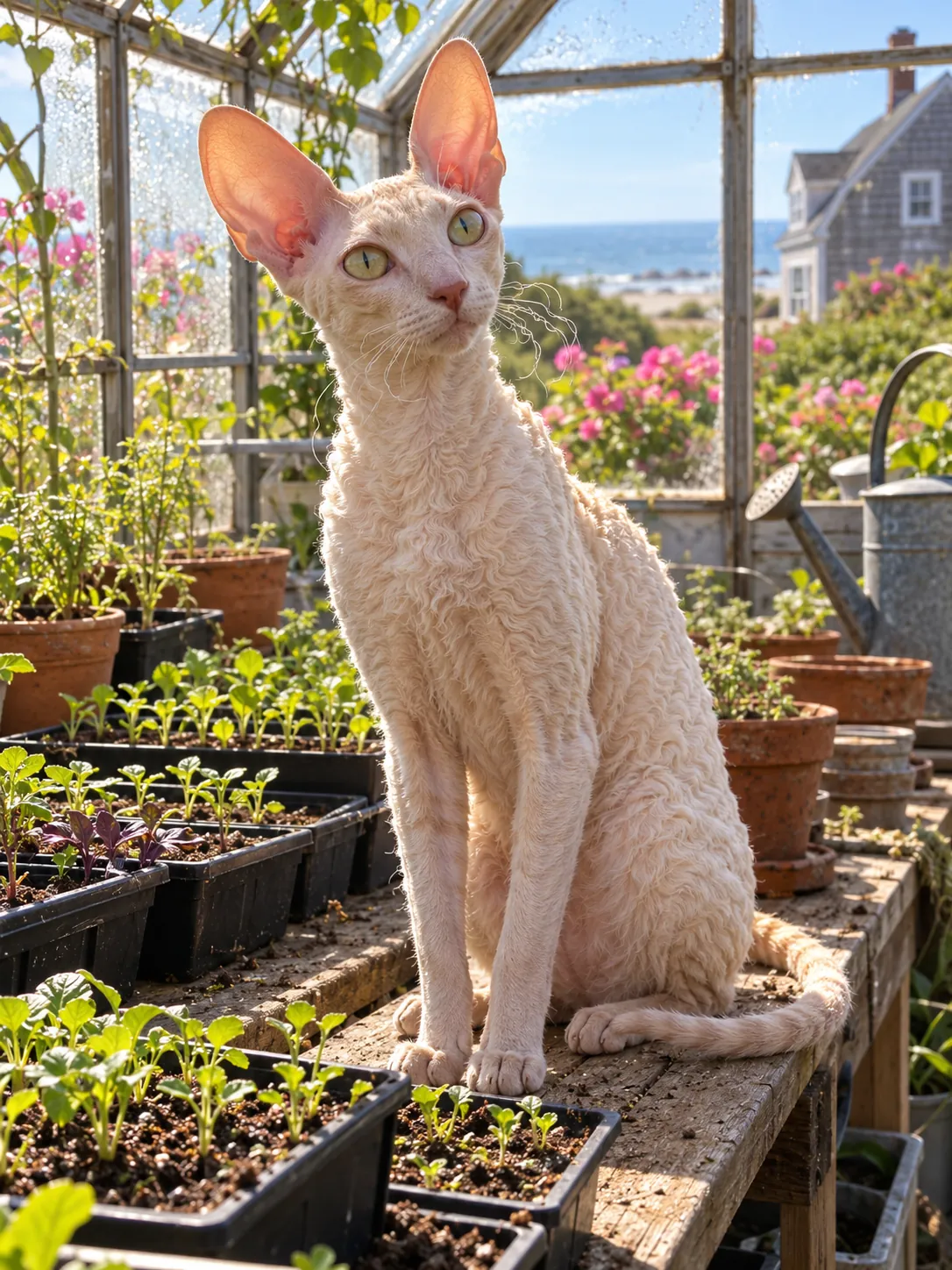
The Cornish Rex began on a farm in Cornwall, England, in 1950, when a cat named Serena gave birth to a litter that included one kitten with a wavy, curly coat. His owner, Nina Ennismore, named him Kallibunker and, with the advice of a geneticist, began a breeding program that led to the breed.
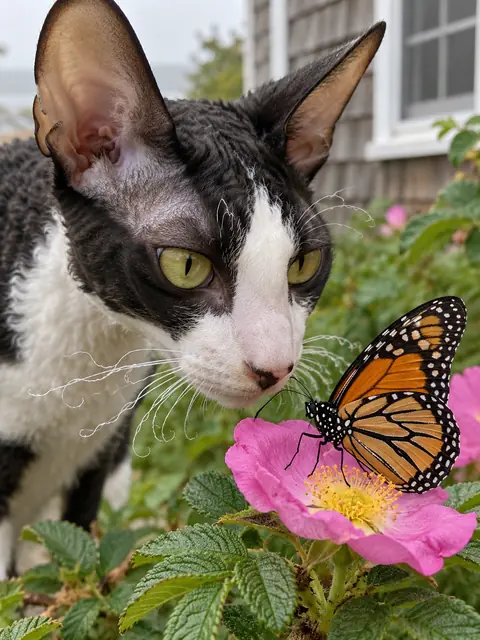
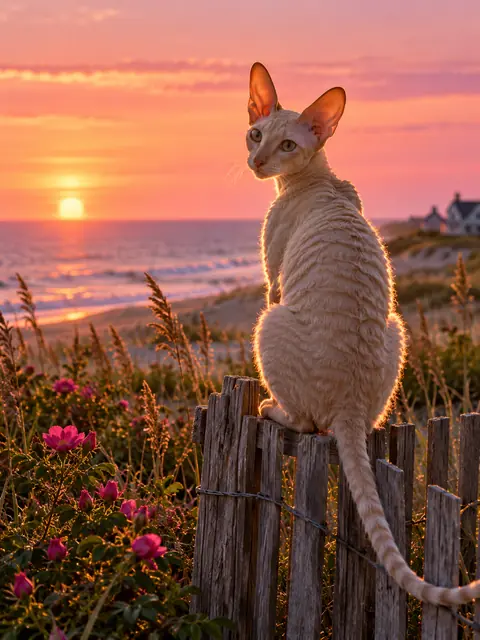
The curl is genetic. Most cats have three layers of hair, but the Cornish Rex has only the soft, downy undercoat. The result is a short, plush coat that lies in tight waves, especially along the back and tail. Even the whiskers curl.
The body is a surprise. A Cornish Rex is fine-boned and long-legged, with a narrow waist, an arched back and a deep chest, often compared to a greyhound. The head is egg-shaped, with huge ears, high cheekbones and bright eyes, giving a lively, elfin look.
The Cornish Rex first reached America in the 1950s and was recognized for championship in the 1960s. It remains an uncommon breed, and it has spawned a sister breed, the Devon Rex, which is a separate mutation with a different look, though the two are often confused.
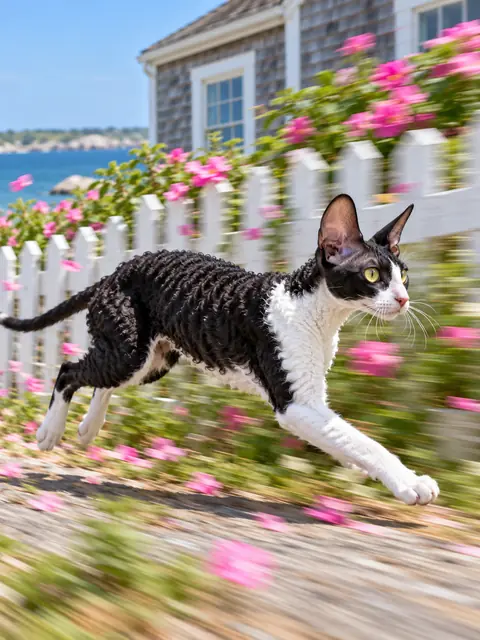
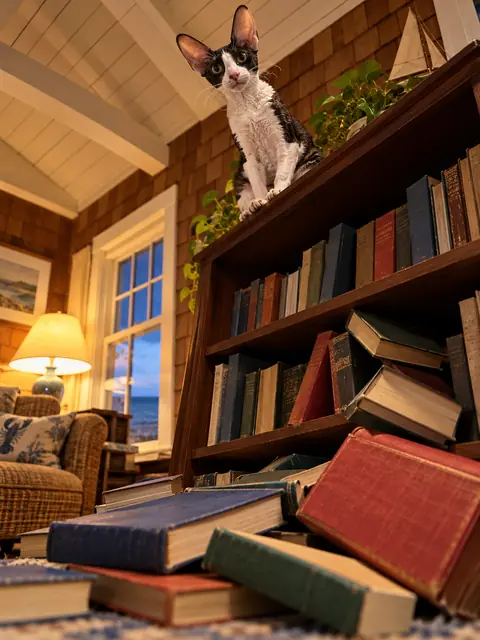
The personality is one long burst of energy. The Cornish Rex is an athlete and a clown, racing around the house, leaping to the top of the refrigerator and playing fetch. Owners call it a puppy in a cat suit. It is affectionate, sociable and demands a role in everything.
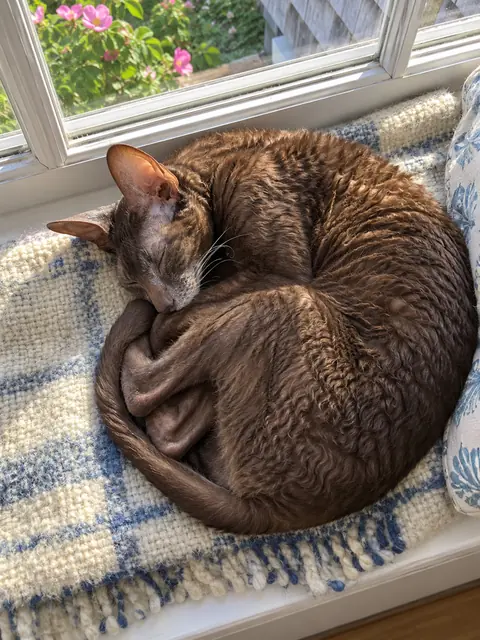
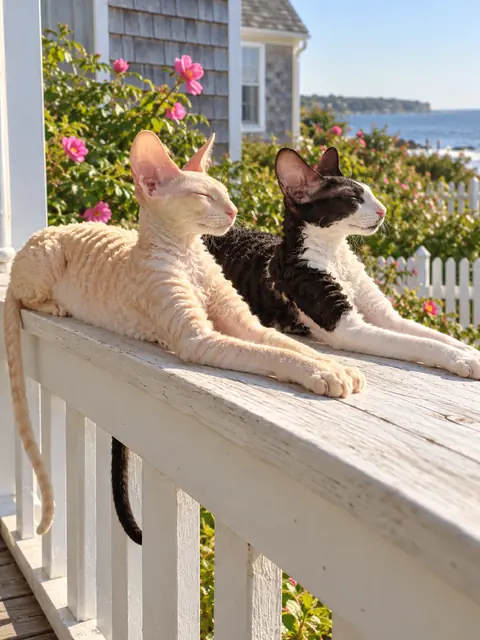
Because it has so little hair, the Cornish Rex loves warmth and will seek it in a sunny window, under blankets or on your shoulders. It also needs sun protection and a warm house. Grooming is a gentle wipe and an occasional bath. Ask breeders about heart screening and kneecap health.
 SundayMay 23
 MondayMay 24
 TuesdayMay 25
 WednesdayMay 26
 ThursdayMay 27
 FridayMay 28
 SaturdayMay 29
 Last WalkWeek close