
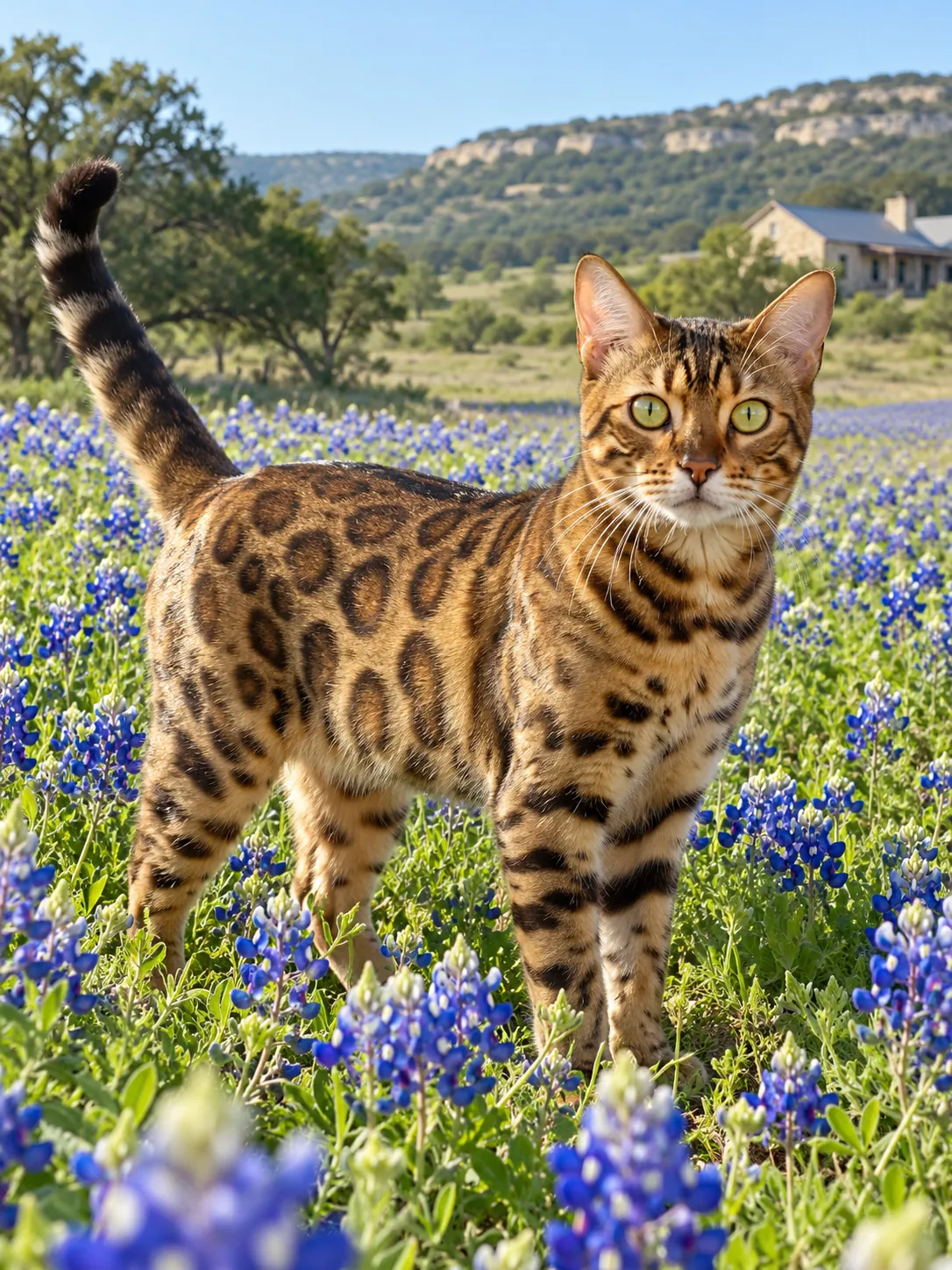
The Bengal is a domestic cat with a wild look. The breed began with crosses between domestic cats and the Asian leopard cat, a small wild species whose scientific name, Prionailurus bengalensis, gave the Bengal its name. Breeder Jean Mill of California carried the work forward from the 1960s and 1970s.
After a few generations the wild cat’s temperament was bred out and what remained was a domestic cat, which is why today’s Bengals are several generations from the wild. The breed gained recognition from The International Cat Association in the 1980s and has been one of the most popular pedigreed cats ever since.
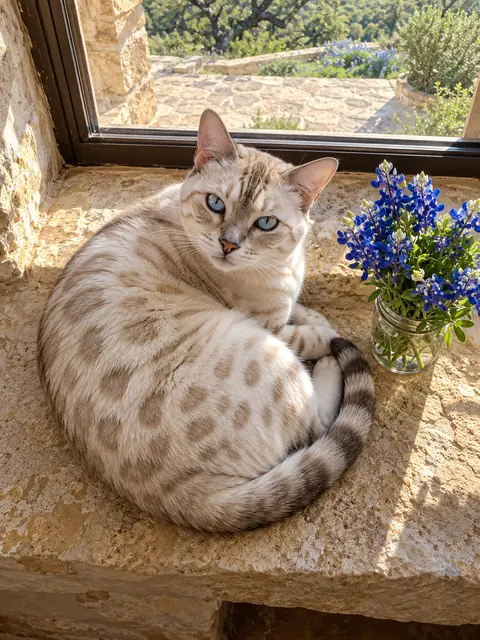
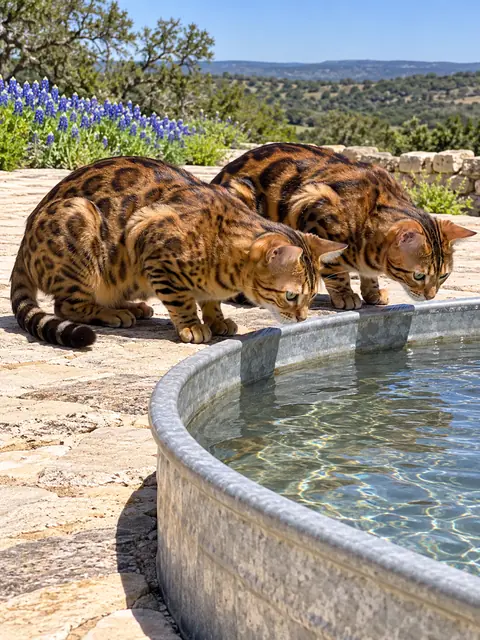
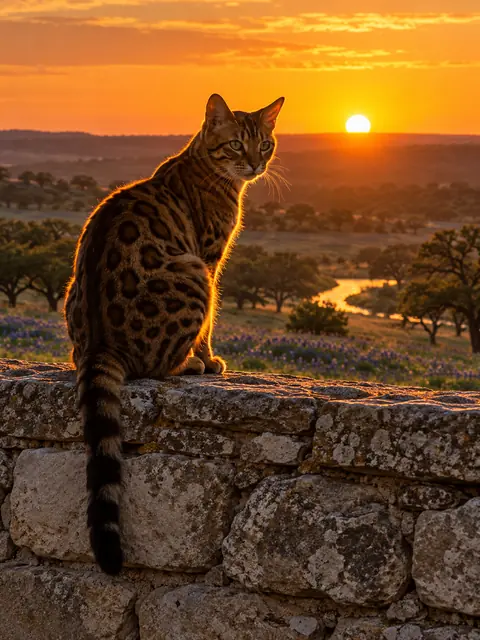
The coat is the star. Bengals carry spots or marbled swirls, sometimes with rosettes, and many have a glitter effect, a gold sheen that sparkles in the sun. Colors range from brown and golden to snow, silver and charcoal. The coat is short, dense and unusually soft, like pelt.
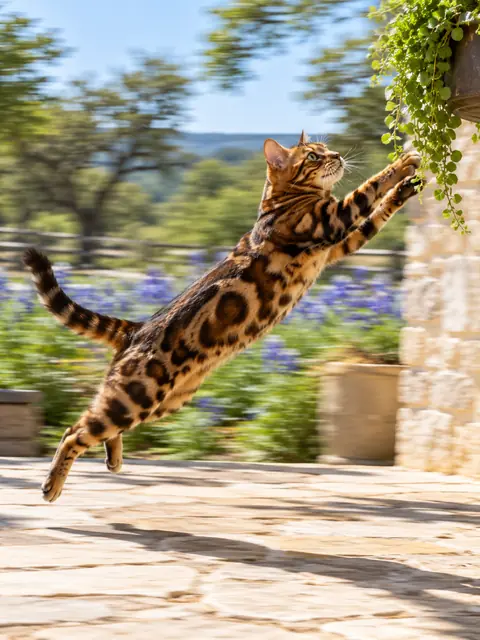
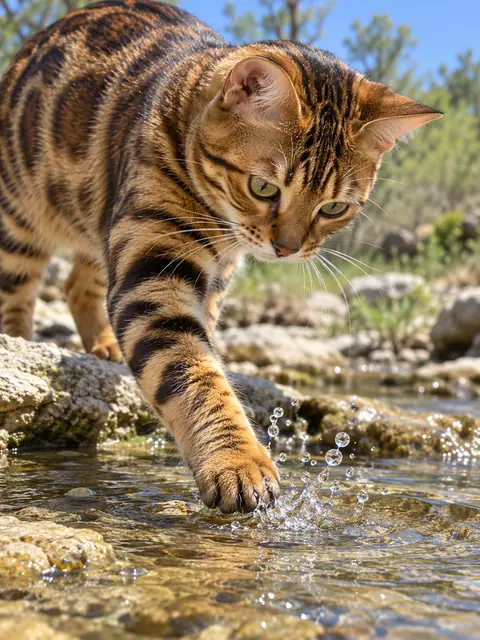
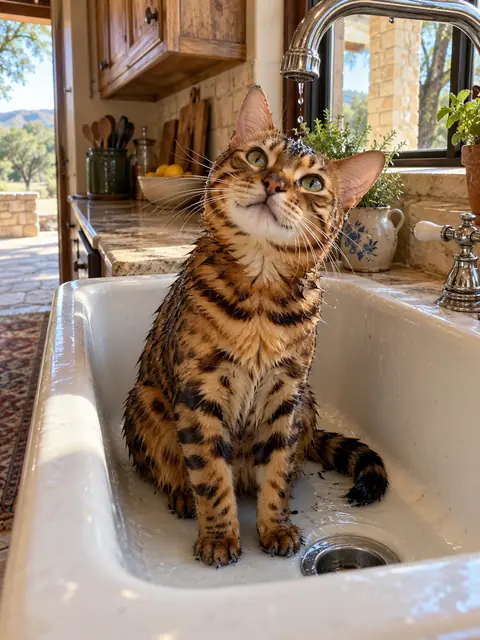
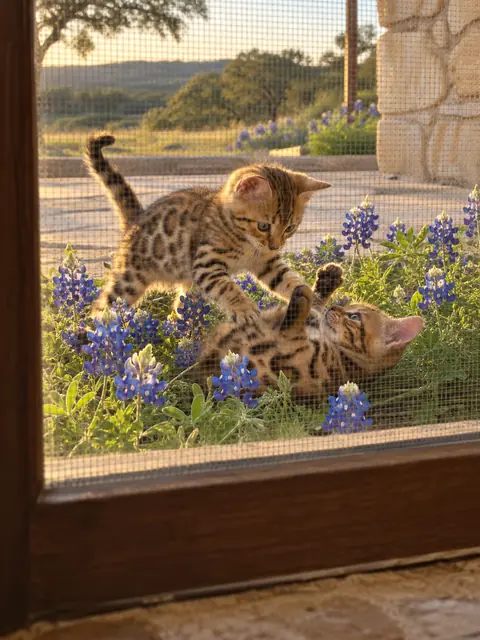
The body is muscular and athletic. Bengals are fast, agile and powerful jumpers, and they climb everything. They are also curious about water, and many will splash in a sink, join a shower or fish in a pond. A Bengal needs something to do, and a bored Bengal will reorganize your home.
The personality is confident, vocal and clever. Bengals bond closely with their families and often learn tricks and play fetch. They do best with tall cat trees, puzzle feeders, shelves at height and, ideally, a companion cat. They are not lap cats, but they are loyal in their own busy way.
Grooming is easy. The coat needs little more than a weekly brush. The health notes include heart disease, HCM, and an inherited eye condition, PRA-b, so ask breeders for screening results. Give a Bengal plenty of exercise, and plan on a leash or a catio for outdoor time.
 SundayApr 25
 MondayApr 26
 TuesdayApr 27
 WednesdayApr 28
 ThursdayApr 29
 FridayApr 30
 SaturdayMay 1
 Last WalkWeek close